
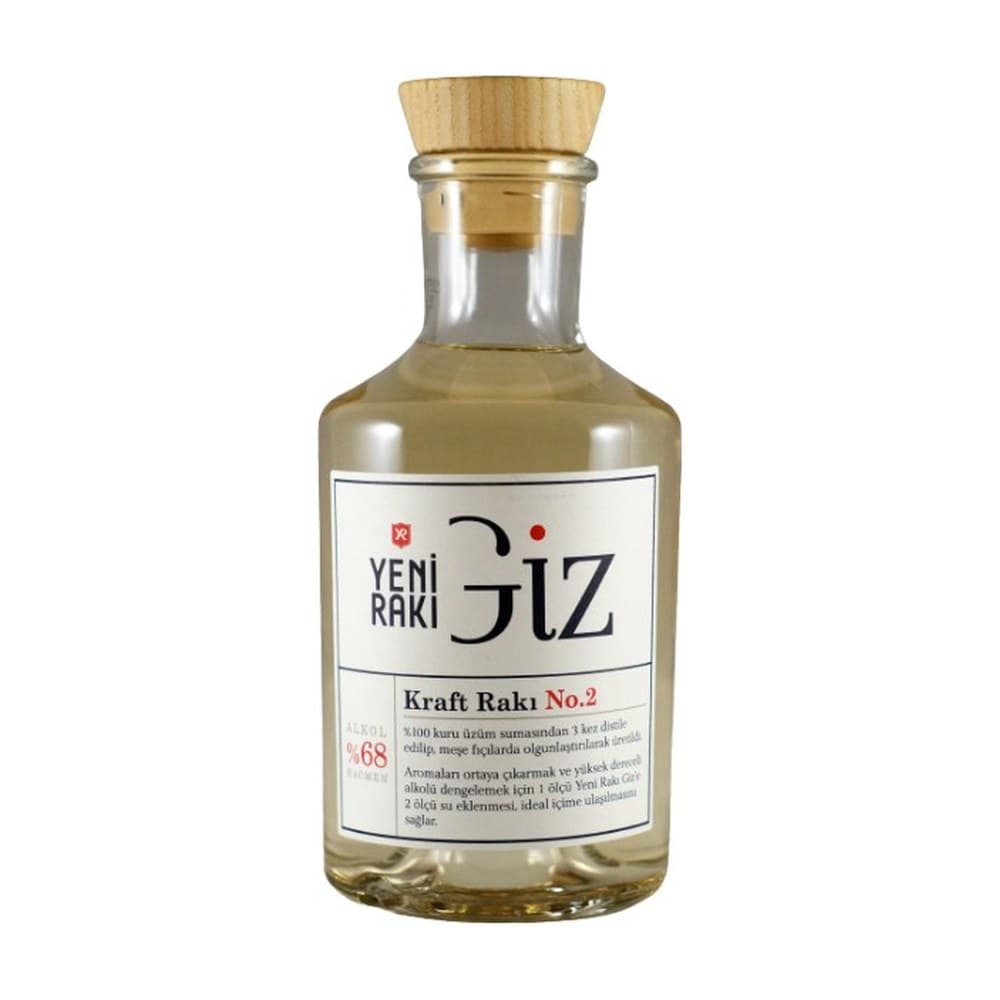
Mey Yeni Raki Giz
Ask Bio about this product
AI assistant · instant answers
In the Ottoman Empire, until the 19th century, meyhanes run by Greeks and Albanians would mainly serve wine along with meze, due to religious restrictions imposed by various sultans. Although there were many Muslims among meyhane attendants, sharia authorities could, at times, prosecute them. With t
Get a reminder for regular delivery and save with code SUBSCRIBE10 at checkout. Pause or cancel anytime.
Sold and dispatched by Bonvila View store →
Chilled items & warm-weather notice
We ship chilled (perishable) foods with ice-gel packs, kept refrigerated. In warm weather, light oil sweating on cured products such as sucuk/pastırma, or softening of cheese, is normal and not a sign of spoilage — it returns to normal once chilled. Please refrigerate items immediately on delivery and be available to receive your order on the delivery day.
Perishable foods are exempt from the 14-day change-of-mind return; your statutory rights for genuine quality or safety issues remain unaffected.
Description
In the Ottoman Empire, until the 19th century, meyhanes run by Greeks and Albanians would mainly serve wine along with meze, due to religious restrictions imposed by various sultans. Although there were many Muslims among meyhane attendants, sharia authorities could, at times, prosecute them. With the relatively liberal atmosphere of the Tanzimat Period (1839–1876), meyhane attendance among Muslims rose considerably, and raki became a favorite among meyhane-goers. By the end of the 20th century, Raki took its current standard form and its consumption surpassed that of wine. During this period, raki was produced by distillation of grapes pomace (cibre) obtained during wine fermentation. When the amount of pomace was not sufficient, alcohol imported from Europe would be added. If anise was not added, it would take the name düz raki (Straight Raki), whereas raki prepared with the addition of gum mastic was named sakiz rakisi (gum raki) or mastikha, especially if produced on the island of Tenedos. With the collapse of the Ottoman Empire and the establishment of the modern-day Republic of Turkey, grape-based raki began to be distilled by the state-owned spirits monopoly Tekel, with the first factory production taking place in 1944 in Izmir.
Raki is an aromatic clear drink from Turkey, made through a second distillation of grape alcohol with aniseed. It is usually served straight or with water, or mineral water but in both cases, it should be served chilled.
Questions & answers
Ask Bio — questions answered by our team are published here.
No published questions yet. Ask Bio — once our team answers, it appears here.
Similar Options
Other choices in this category
Complete Your Basket
Goes well with this product
Customers also bought
Based on real order data