
Turkish Pantry Starter Kit: 20 Essentials
Building a Turkish kitchen from scratch in the UK? These 20 pantry essentials cover ninety percent of everyday Turkish home cooking.
Ask Bio about this article
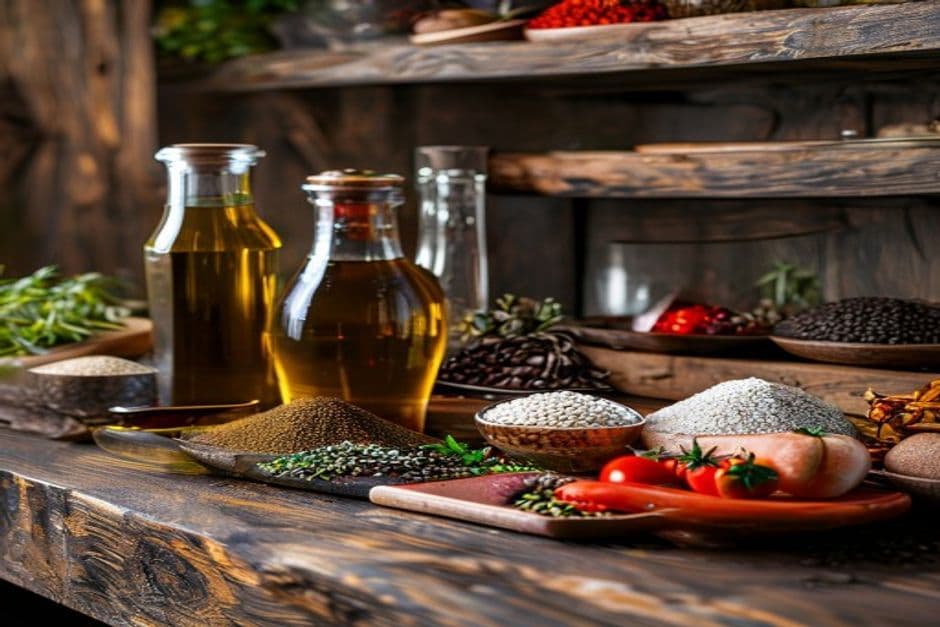
Every Turkish home kitchen, from Istanbul to London, runs on the same core pantry. Stock these twenty essentials once and you can cook the overwhelming majority of everyday Turkish dishes without a special shopping trip. This guide groups them into five families, explains what each one actually does, and points you to the sizes worth buying first from a Turkish online supermarket like Turkish Online Market.
Grains and Pulses: The Backbone (1-6)
Start with coarse bulgur for pilav and stuffed vegetables, and fine bulgur for kofte and kisir; they are not interchangeable, so buy both. Add baldo rice, the plump short grain that makes proper Turkish pilav with that essential buttery bite. Round out the family with red lentils for the daily corba, green lentils for salads and stews, and dried chickpeas for nohut yahni and homemade hummus. One kilogram bags of each will feed a household for weeks and cost less per meal than almost anything else in your kitchen.
The Paste Shelf: Where the Flavour Lives (7-9)
Turkish cooking begins with a spoon of paste sizzling in fat. Tomato paste, or salca, is non-negotiable and goes into soups, stews, pilavs and menemen alike; a large jar disappears faster than you expect. Its partner is pepper paste, sweeter and deeper than tomato, and the secret behind restaurant-tasting lentil soup and adana-style marinades. The third jar is optional but transformative: a hot pepper paste or a hot variant for households that like heat. Refrigerate all three after opening with a film of oil on top.
Spices: Five Jars, Not Fifty (10-14)
You need surprisingly few spices to taste authentically Turkish. Pul biber, the coarse red pepper flakes, goes on eggs, soups, pide and pretty much everything; a 500g bag is more economical than the tiny jars. Add ground cumin for kofte and lentil soup, dried mint for yogurt dishes and soups, oregano for grills, and sumac for onion salads and kebab plates. With these five you can season ninety percent of the repertoire; everything else is a refinement.
Oils, Sweet Things and the Breakfast Corner (15-18)
A generous tin of olive oil is the single biggest quality upgrade you can make, since zeytinyagli vegetable dishes use it by the glassful rather than the spoonful. Next to it belongs tahini, which becomes sauce, dressing and dessert, and its classic partner grape molasses, the tahin-pekmez breakfast of Anatolian winters. Add a jar of honey or fruit preserve and the Turkish breakfast table starts assembling itself.
The Daily Rituals: Tea and Pasta Night (19-20)
No Turkish pantry exists without proper black tea; a bag of Rize tea brewed in a double teapot is the punctuation mark of every Turkish day, and the 500g size is the right first purchase. Finish the list with a packet of vermicelli, the toasted sehriye that turns plain rice into proper pilav and butter-fried noodles into childhood comfort food. These two are the items you will rebuy most often.
How to Shop It
Buy the grains and pulses in 1kg bags, the pastes in large jars if you cook more than twice a week, and the spices in the biggest format only for pul biber. The whole starter kit typically costs less than a single restaurant meal for two, keeps for months, and unlocks hundreds of dishes. Order it in one basket from Turkish Online Market and your Turkish kitchen is operational the day the box arrives.
More recipes
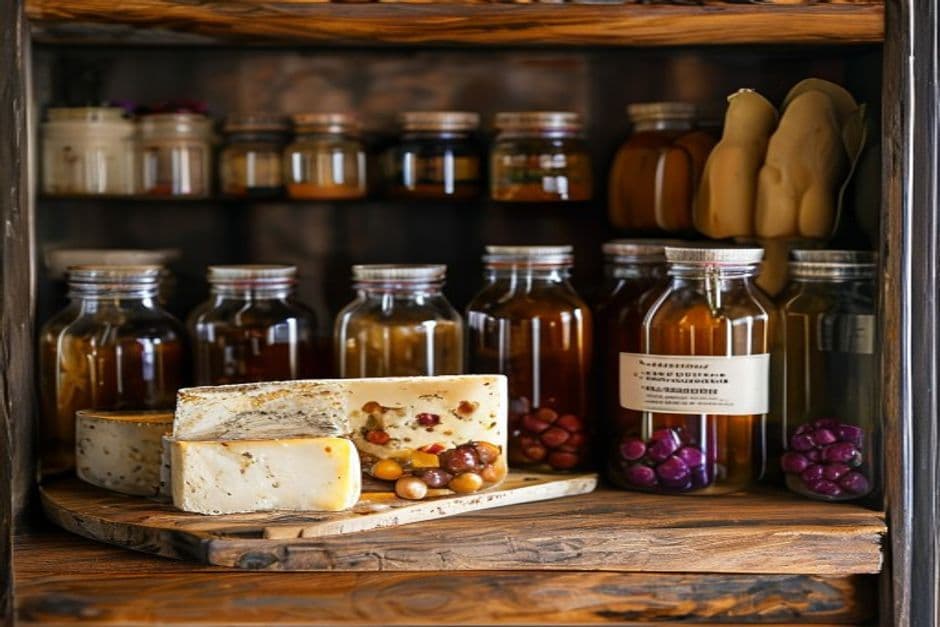 Guides
How to Store Turkish Foods: Cheese, Olives & More
Keep white cheese creamy, olives glossy and sucuk at its best. A practical storage guide for the Turkish staples in your UK kitchen.
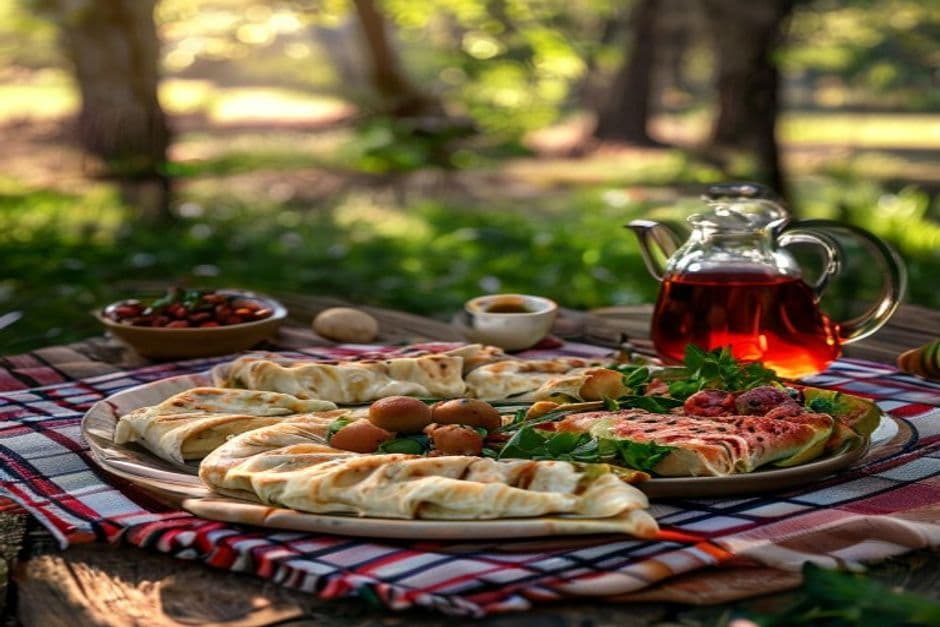 Guides
Turkish Picnic Essentials: Shopping List & Tips
Plan the perfect Turkish-style picnic in the UK with our complete shopping list, from simit and sliced sucuk to olives, ayran and stuffed vine leaves.
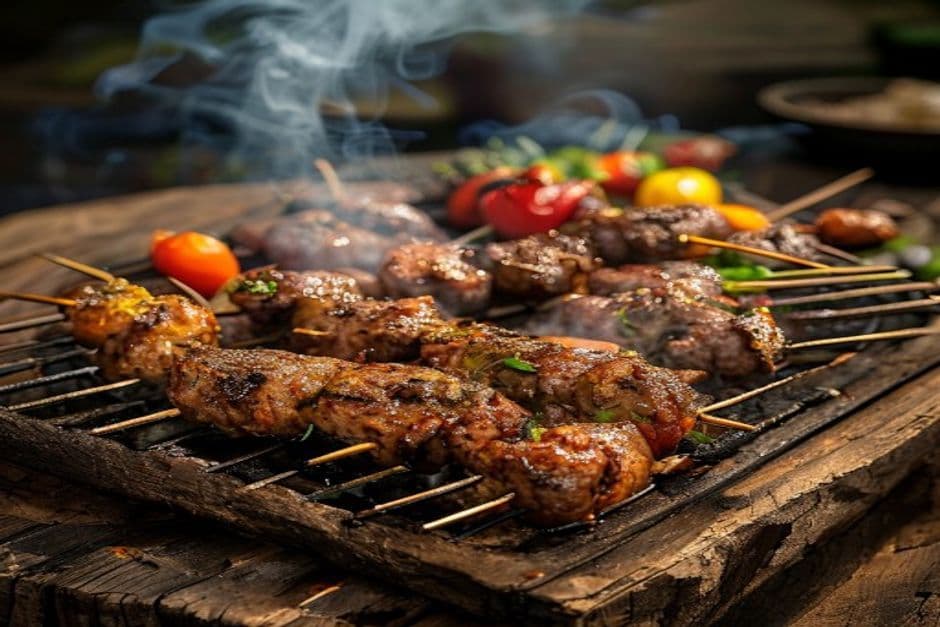 Guides
Turkish Mangal: The Ultimate BBQ Guide
Everything you need for an authentic Turkish mangal in the UK: real charcoal, the right skewers, marinades with pepper paste, and the sides that make it a feast.
 Guides
Turkish Herbal Teas: Benefits & Brewing
Linden, sage, rosehip, fennel and more — the Turkish herbal teas every home should stock, what each is traditionally used for, and how to brew them properly.