
How to Store Turkish Foods: Cheese, Olives & More
Keep white cheese creamy, olives glossy and sucuk at its best. A practical storage guide for the Turkish staples in your UK kitchen.
Ask Bio about this article
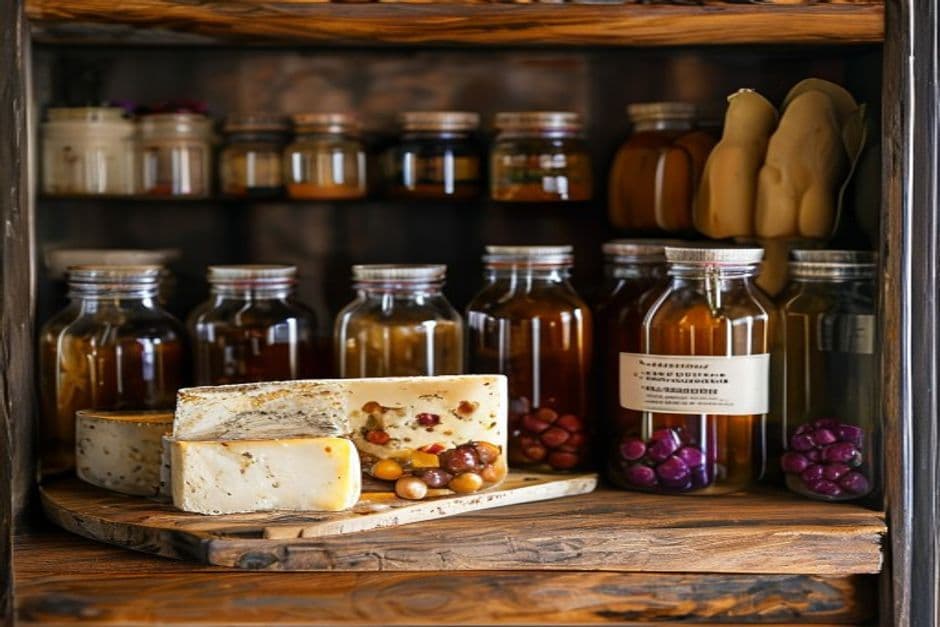
Turkish staples are built to last; many of them were invented precisely so food could survive long Anatolian winters. But between UK central heating, small fridges and the temptation to leave everything in its original packet, a lot of good food gets wasted. Here is how to store the most common Turkish groceries so they stay at their best from the day your Turkish Online Market delivery arrives.
White Cheese: Keep It Under Brine
Beyaz peynir, whether a full-fat white cheese or a tinned feta-style block, should always live submerged in liquid. Once opened, transfer the cheese to a lidded container and cover it with its original brine. If you have thrown the brine away, make a fresh one with a teaspoon of salt per 250ml of cooled boiled water. Stored this way in the fridge it keeps for three to four weeks; left dry on a plate it hardens and sours within days. If a cheese is too salty for your taste, soak the portion you plan to eat in plain water or milk for a few hours, never the whole block.
Olives: Brine, Oil and a Cool Cupboard
Unopened vacuum packs of naturel black olives are happy in a cool, dark cupboard. Once opened, move them to a jar and cover with brine or a slick of olive oil to keep air off the fruit; they will hold in the fridge for several weeks. Dried, wrinkled sele-style olives prefer a light coating of oil rather than brine. If you ever see white bloom on brined olives it is usually harmless yeast; rinse and re-brine. Genuinely off olives smell sour and fizzy, and those should go.
Sucuk and Pastirma: Cool, Dry, Breathing
A whole finger sucuk is a fermented, dried product and does not strictly need refrigeration while intact; a cool larder works, which is how it hangs in Turkish shops. Once cut, wrap the open end in baking paper, not cling film, and refrigerate; plastic traps moisture and encourages surface mould. Sliced pastirma is more delicate: keep it sealed in the fridge and eat within a week of opening, separating layers with paper so the cemen coating does not glue slices together. Both freeze well for up to three months if portioned first.
Yufka and Filo: The Freezer Is Your Friend
Fresh flat yufka sheets dry out astonishingly fast. Keep unopened packs refrigerated and use within the date. Once opened, wrap unused sheets tightly in their plastic plus a tea towel, refrigerate, and use within two or three days. For longer storage, freeze the sheets flat with baking paper between them; thaw overnight in the fridge and never at room temperature, which turns them sticky. Dried yufka for boreks can simply live in the cupboard until soaked.
Pastes, Tahini and Store-Cupboard Basics
Tomato and pepper paste jars must go in the fridge after opening; smooth the surface flat and pour a thin layer of olive oil on top to seal it from air, and it will last months instead of weeks. Tahini separates naturally, so store the jar upside down for a day before stirring; it lives in the cupboard, not the fridge, where it becomes unstirrable concrete. Bulgur, rice and lentils keep for a year or more in airtight containers away from light. Black tea is the most neglected item of all: decant loose Rize tea into an airtight tin the day you open it, because tea absorbs every odour in the cupboard and stale tea is the saddest brew in Britain.
A Note on UK Kitchens
British kitchens run warmer and more humid than the cellars these foods were designed for, so when in doubt, refrigerate after opening and keep dry goods away from the kettle and hob. Label opened jars with the date, buy sizes you will finish within a month or two, and let your freezer absorb the surplus. Good storage means your Turkish pantry always tastes the way it did on delivery day.
More recipes
 Guides
Turkish Pantry Starter Kit: 20 Essentials
Building a Turkish kitchen from scratch in the UK? These 20 pantry essentials cover ninety percent of everyday Turkish home cooking.
 Guides
Turkish Picnic Essentials: Shopping List & Tips
Plan the perfect Turkish-style picnic in the UK with our complete shopping list, from simit and sliced sucuk to olives, ayran and stuffed vine leaves.
 Guides
Turkish Mangal: The Ultimate BBQ Guide
Everything you need for an authentic Turkish mangal in the UK: real charcoal, the right skewers, marinades with pepper paste, and the sides that make it a feast.
 Guides
Turkish Herbal Teas: Benefits & Brewing
Linden, sage, rosehip, fennel and more — the Turkish herbal teas every home should stock, what each is traditionally used for, and how to brew them properly.