
Turkish Herbal Teas: Benefits & Brewing
Linden, sage, rosehip, fennel and more — the Turkish herbal teas every home should stock, what each is traditionally used for, and how to brew them properly.
Ask Bio about this article
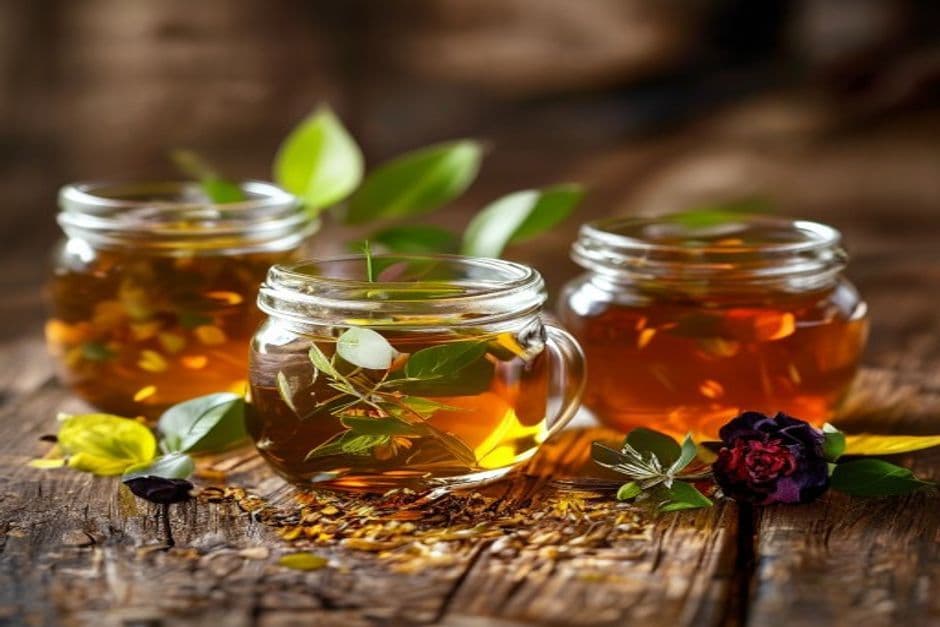
Black tea may rule the Turkish day, but the moment someone sniffles, feels bloated or cannot sleep, out comes the herbal tea. In Turkey these infusions are folk wisdom in a glass, passed from grandmothers to grandchildren, and every household keeps a small pharmacy of them in the cupboard. Living in the UK does not mean giving that up — the classic Turkish herbal teas are all available in convenient tea bags, and this guide explains what each one is for and how to brew it well.
Linden (Ihlamur): The Winter Essential
Ihlamur, or linden flower tea, is the undisputed king of Turkish herbal teas. Naturally sweet and honeyed in flavour, it is the first thing brewed at the sign of a cold or sore throat and is gentle enough for children. Dogadan's linden tea bags make it effortless, and the quince and linden blend adds a fruity softness that is lovely in the evening. Sweeten with a spoon of honey and a squeeze of lemon for the full Turkish home-remedy experience.
Sage (Adacayi) and Mint: The Digestive Duo
Sage tea, called adacayi or island tea after the wild sage of the Aegean hills, has a bold, savoury aroma and is the traditional after-dinner soother, particularly beloved along Turkey's coast. Mint tea is its lighter cousin — clean, cooling and a natural pick after a heavy meal. Both are widely drunk for throat comfort in winter too, and both are available in 20-bag boxes that keep their aroma well.
Rosehip and Fennel: Gentle Everyday Brews
Rosehip (kusburnu) makes a tangy, ruby-coloured tea traditionally valued for its vitamin C content, and its fruity sharpness makes it one of the few herbal teas children genuinely enjoy. Fennel tea, with its soft aniseed sweetness, is Turkey's go-to for bloating and is a traditional favourite of new mothers. Both brew quickly and taste good lightly sweetened or completely plain.
Warming Blends for the British Winter
Some blends are built for cold weather. Ginger tea with honey delivers a warming kick that suits grey January mornings, while winter tea — a mix of orange, apple and cinnamon — tastes like mulled fruit and makes the house smell wonderful. If you prefer something with a gentle caffeine lift, green tea with lemon and ginger bridges the gap between herbal comfort and a proper cup of tea.
How to Brew Herbal Tea Properly
Herbal teas are more forgiving than black tea but reward a little care. Use freshly boiled water, cover the glass or cup while it steeps — this traps the aromatic oils that carry both flavour and benefit — and give it a full five to seven minutes rather than a hasty dunk. Loose flowers like linden can be simmered gently for a deeper brew. Serving in a classic tulip-shaped Turkish tea glass is not just tradition; the narrow waist concentrates the aroma beautifully.
Building Your Herbal Tea Shelf
A sensible starter set for a UK household is linden for winter, sage or mint for after meals, rosehip for the kids and a warming ginger or winter blend for the darkest months. Tea bags keep for many months in a dry cupboard, so stock up once and you are covered for the season. You will find the full Dogadan herbal range and more at Turkish Online Market, delivered anywhere in the UK.
More recipes
 Guides
Turkish Pantry Starter Kit: 20 Essentials
Building a Turkish kitchen from scratch in the UK? These 20 pantry essentials cover ninety percent of everyday Turkish home cooking.
 Guides
How to Store Turkish Foods: Cheese, Olives & More
Keep white cheese creamy, olives glossy and sucuk at its best. A practical storage guide for the Turkish staples in your UK kitchen.
 Guides
Turkish Picnic Essentials: Shopping List & Tips
Plan the perfect Turkish-style picnic in the UK with our complete shopping list, from simit and sliced sucuk to olives, ayran and stuffed vine leaves.
 Guides
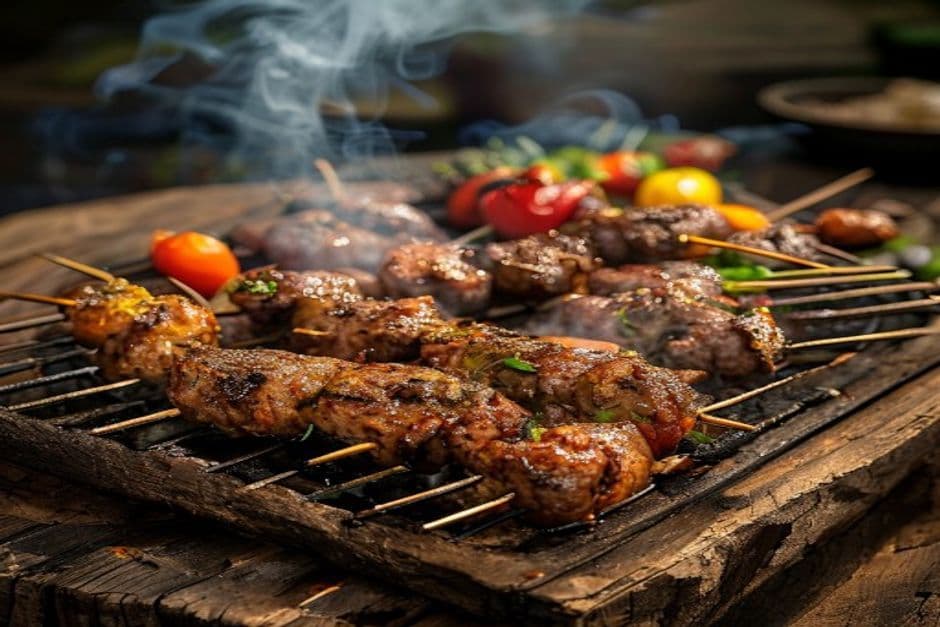
Turkish Mangal: The Ultimate BBQ Guide
Everything you need for an authentic Turkish mangal in the UK: real charcoal, the right skewers, marinades with pepper paste, and the sides that make it a feast.