
Brewing Turkish Tea Like a Local (Caydanlik Method)
The secret to that deep amber, tavsan kani Turkish tea is not a fancy gadget — it is the humble two-tier caydanlik, the right loose-leaf tea and fifteen unhurried minutes.
Ask Bio about this article
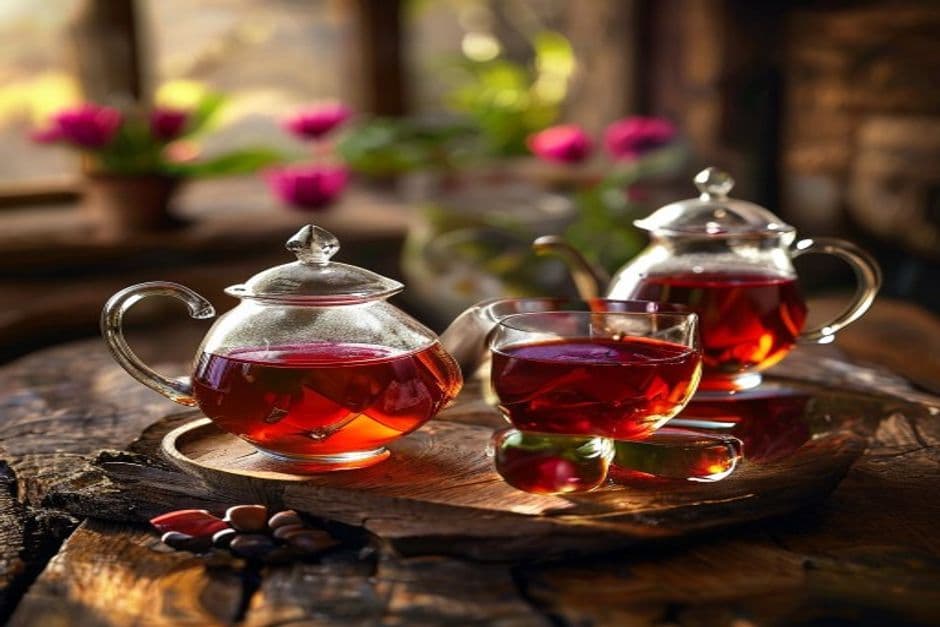
Walk into any Turkish home, from Rize to North London, and within minutes a tulip-shaped glass of dark amber tea will appear in front of you. Turks drink more tea per person than anyone else in the world, and almost all of it is brewed the same way: in a caydanlik, the stacked double teapot where water boils below and tea concentrate steeps above. Once you learn the method, a teabag dunked in a mug will never taste right again.
What You Need
Three things make proper Turkish tea. First, loose-leaf black tea grown on the Black Sea coast — Caykur Rize is the everyday classic, Tiryaki is stronger and more bitter for serious drinkers, while Altinbas is a smoother premium grade; a Ceylon leaf like Mevlana Goran gives a brighter, wine-red cup that many households blend in. Second, a caydanlik: a larger lower kettle for water and a smaller upper pot for the dem (concentrate). A classic aluminium Oskar teapot or a glass teapot set both work beautifully on a UK hob. Third, ince belli glasses — the small tulip-shaped tea glasses that keep the tea hot at the bottom and cool enough to sip at the rim.
The Ratio and the Rinse
For a standard caydanlik serving six to eight glasses, measure 3 to 4 tablespoons (about 15-20 g) of loose tea into the upper pot. Many locals give the dry leaves a quick rinse with a splash of cold water, swirled and poured away, to remove dust and soften the bitterness. Fill the lower kettle with about 1 to 1.2 litres of fresh cold water — freshly drawn water carries more oxygen and brews a livelier cup, which matters in hard-water areas of the UK where a splash of filtered water noticeably improves the colour.
Brewing, Step by Step
Set the stacked caydanlik over medium heat with the tea leaves waiting dry in the top pot; the rising steam gently warms and awakens them. When the water below reaches a rolling boil, pour enough of it over the leaves to fill the upper pot about two-thirds full, top up the lower kettle with fresh water, restack, and turn the heat right down. Now comes the only hard part: patience. Let the tea steep over the barely simmering kettle for 15 to 20 minutes, never letting the top pot itself boil — boiled tea turns harsh and flat. The leaves will sink when the dem is ready.
Serving Tavsan Kani
Turkish tea is served acik (light) or demli/koyu (strong), and every guest gets a choice. Pour the dark concentrate into the glass first — a third to half full for a strong glass, a finger's width for a light one — then dilute with hot water from the lower kettle. The colour you are chasing is tavsan kani, literally rabbit's blood: a clear, brilliant brownish-red with no cloudiness. Serve with two cubes of sugar on the saucer, never milk, and always keep the caydanlik murmuring on low heat; in a Turkish household an empty tea glass is refilled before it touches the table.
Small Habits That Change Everything
Warm the glasses with a splash of hot water before pouring. Never stir the pot; let the leaves settle. If the dem stands longer than an hour, brew fresh rather than reheating. And buy tea in quantities you will finish within a couple of months, keeping it in an airtight tin away from spices — black tea absorbs aromas shamelessly. Everything here, from Rize tea to the tulip glasses and the caydanlik itself, is available at Turkish Online Market with UK-wide delivery, so a proper Black Sea tea corner is one order away.
More recipes
 Guides
Turkish Pantry Starter Kit: 20 Essentials
Building a Turkish kitchen from scratch in the UK? These 20 pantry essentials cover ninety percent of everyday Turkish home cooking.
 Guides
How to Store Turkish Foods: Cheese, Olives & More
Keep white cheese creamy, olives glossy and sucuk at its best. A practical storage guide for the Turkish staples in your UK kitchen.
 Guides
Turkish Picnic Essentials: Shopping List & Tips
Plan the perfect Turkish-style picnic in the UK with our complete shopping list, from simit and sliced sucuk to olives, ayran and stuffed vine leaves.
 Guides
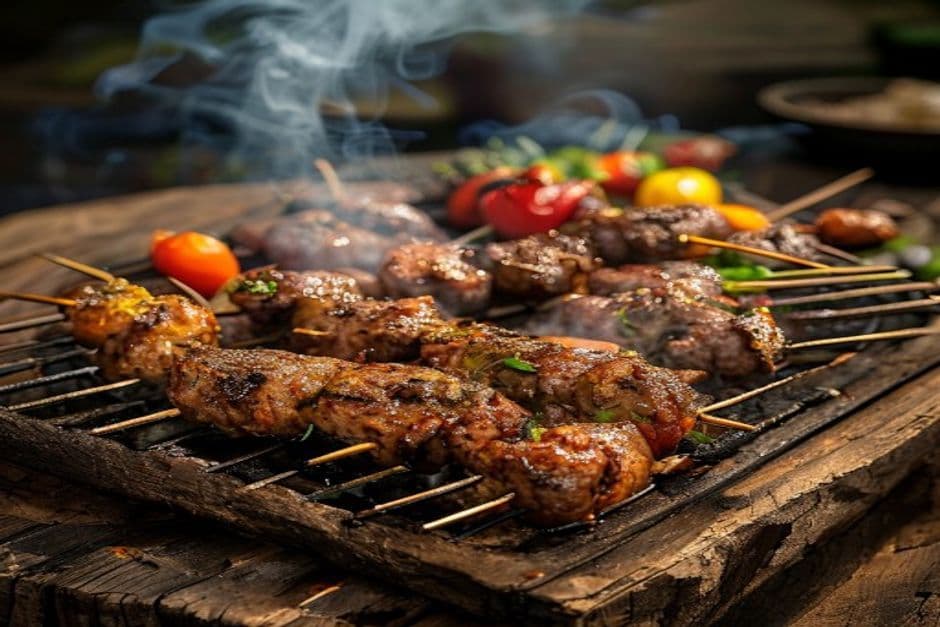
Turkish Mangal: The Ultimate BBQ Guide
Everything you need for an authentic Turkish mangal in the UK: real charcoal, the right skewers, marinades with pepper paste, and the sides that make it a feast.