
Turkish Spices 101: Essential Seasonings
From smoky Urfa chilli flakes to tangy sumac, here are the essential Turkish spices every UK kitchen needs, and how to actually use them.
Ask Bio about this article
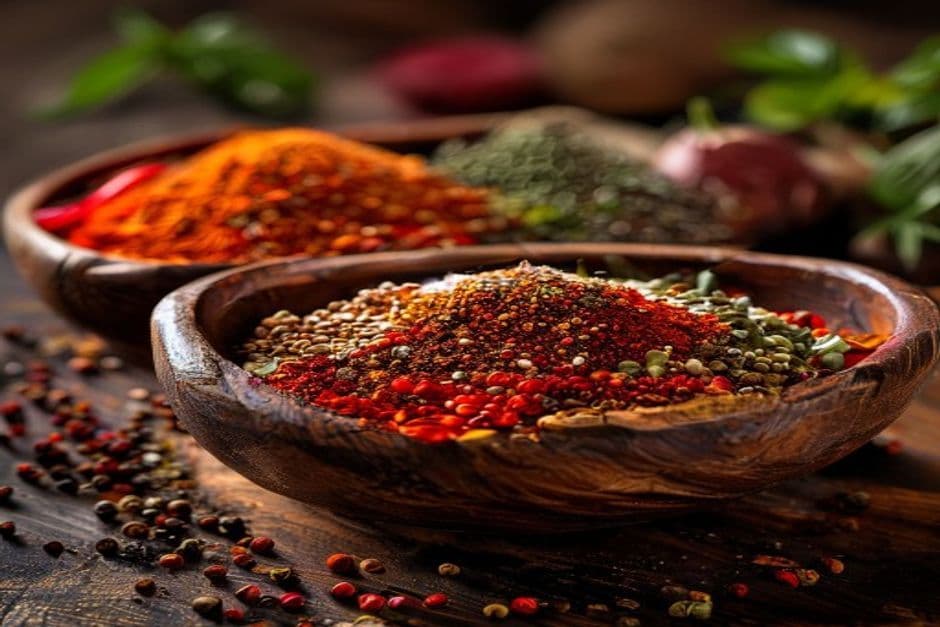
Walk into any Turkish kitchen and you will find a small arsenal of spices doing most of the heavy lifting. Turkish cooking rarely uses complicated blends; instead it relies on a handful of bold, single-note seasonings used generously. If you have ever wondered why your homemade menemen or kofte does not taste quite like it does at your favourite Turkish restaurant, the answer is almost always in the spice rack. This guide covers the essentials and how to use them in a UK kitchen.
Pul Biber and Isot: The Chilli Flakes That Define Turkish Food
Turkish chilli flakes are nothing like the harsh, seedy flakes on a pizza counter. Urfa chilli flakes (isot) are sun-dried and then sweated, giving them a dark, almost raisin-like smokiness with gentle heat. A 400g bag of Oncu isot or a 100g pack of Bodrum Urfa flakes will transform lentil soup, eggs, grilled meat and even butter sauces for manti. Sprinkle over anything at the table the way you would use black pepper.
Sumac: The Tangy One
Sumac is a deep red berry ground into a sour, lemony powder. It is essential over raw onions served with kebabs, in fattoush-style salads, and dusted over grilled chicken. Because it adds acidity without liquid, it is brilliant on roast potatoes and avocado toast too. Keep a jar next to your salt and you will reach for it daily.
Cumin, Oregano and Dried Mint: The Workhorses
Ground cumin is the backbone of kofte, sucuk-style seasoning and lentil soup; Turkish cooks use it far more boldly than most British recipes suggest. Turkish oregano (kekik) is more floral than the Italian sort and belongs on every grilled meat and chip butty of the doner variety. Dried mint is the quiet hero: rubbed into yoghurt sauces, whisked into ayran, or sizzled in butter with chilli flakes to finish soups. Together these three cover 80 percent of everyday Turkish cooking.
Paprika, Nigella Seeds and Ready Blends
Hot paprika powder gives colour and warmth to stews, rice and marinades, while nigella seeds (corek otu) top breads, boreks and white cheese. If you want a shortcut, a proper meatball spice mix or an Adana sis kebab blend takes the guesswork out of mince seasoning: work a tablespoon into 500g of lamb mince with grated onion and you have genuinely authentic kofte for the grill.
Buying and Storing Turkish Spices in the UK
Buy little and often rather than in bulk: 100g packs stay fresh for months in an airtight jar away from the hob. Chilli flakes and dried mint fade fastest, so replace them a couple of times a year. Turkish Online Market delivers the full Turkish spice shelf across the UK, so you can restock alongside your weekly grocery shop rather than hunting through specialist shops. Start with pul biber, sumac and cumin, and build from there.
More recipes
 Guides
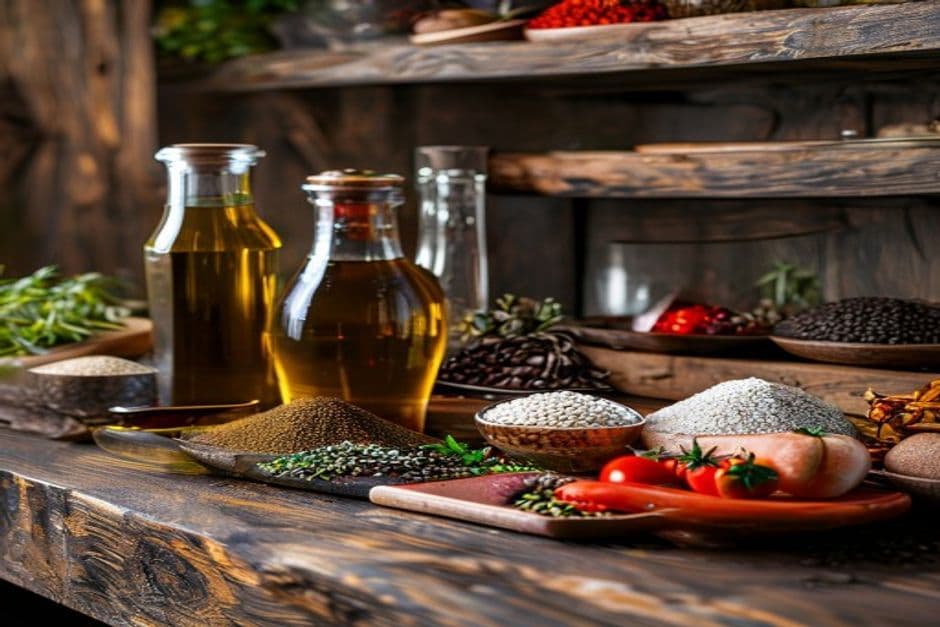
Turkish Pantry Starter Kit: 20 Essentials
Building a Turkish kitchen from scratch in the UK? These 20 pantry essentials cover ninety percent of everyday Turkish home cooking.
 Guides
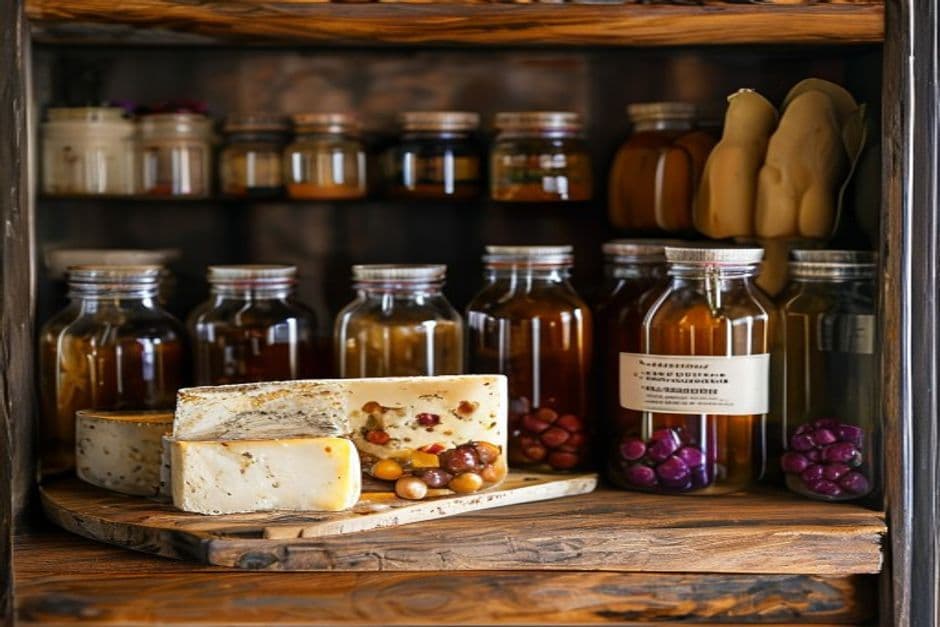
How to Store Turkish Foods: Cheese, Olives & More
Keep white cheese creamy, olives glossy and sucuk at its best. A practical storage guide for the Turkish staples in your UK kitchen.
 Guides
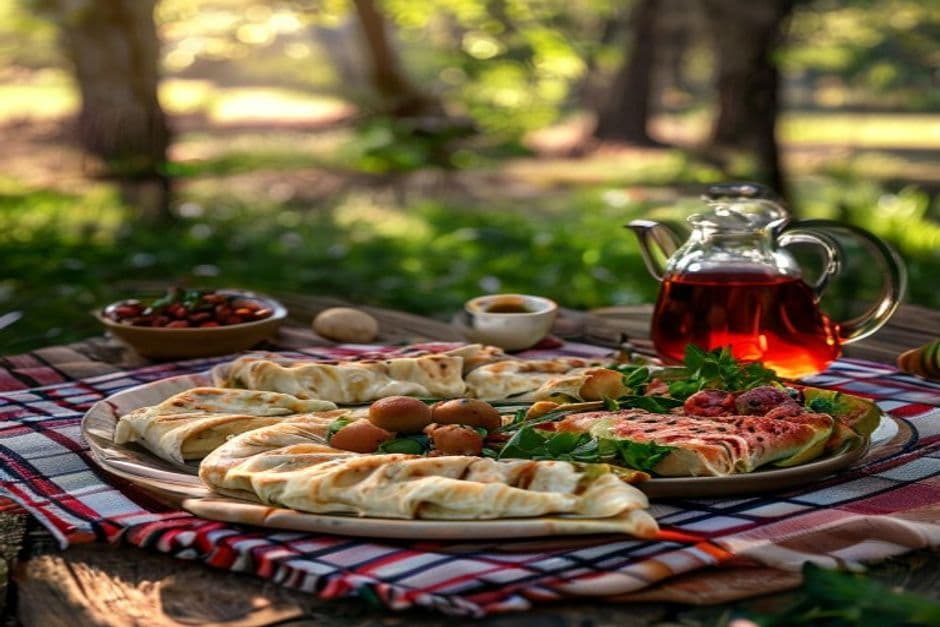
Turkish Picnic Essentials: Shopping List & Tips
Plan the perfect Turkish-style picnic in the UK with our complete shopping list, from simit and sliced sucuk to olives, ayran and stuffed vine leaves.
 Guides
Turkish Mangal: The Ultimate BBQ Guide
Everything you need for an authentic Turkish mangal in the UK: real charcoal, the right skewers, marinades with pepper paste, and the sides that make it a feast.