
Turkish Pasta & Noodles: Eriste, Manti & More
Eriste, manti, sehriye and Turkish couscous explained: what each one is, how Turks cook them, and which packs to look for in the UK.
Ask Bio about this article
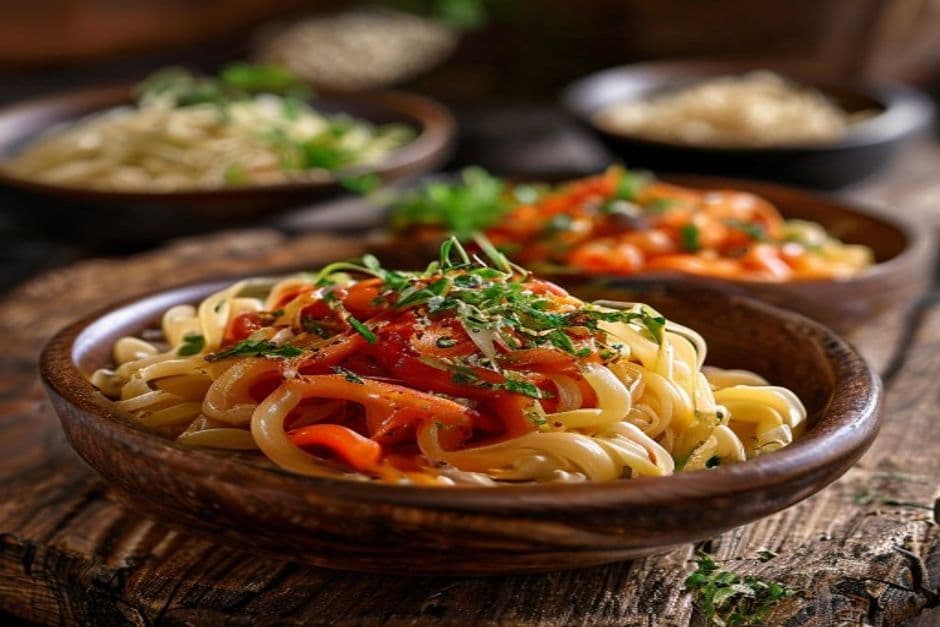
Italy may own the word pasta, but Anatolia has been rolling, cutting and drying its own noodles for centuries. From hand-cut eriste to tiny dumplings of manti drowned in garlic yoghurt, Turkish pasta is a world of its own — and every piece of it is available in the UK without a trip to Istanbul. Here is what to know about each type and how to cook it properly.
Eriste: Anatolia's Hand-Cut Noodle
Eriste is the village noodle of Turkey: an egg-rich dough rolled thin, cut into short ribbons and dried in the summer sun. Traditionally it is boiled, then tossed in butter with crumbled white cheese and chopped walnuts. Serize's 400g plain Turkish noodles are the classic starting point, while their spinach version adds colour and a gentle green flavour that children love. Cook eriste a minute or two less than Italian pasta — it should keep a slight bite.
Manti: Tiny Dumplings, Big Ritual
Manti are Turkey's beloved miniature dumplings, filled with spiced minced beef and famously judged by how many fit on a spoon. Kayseri claims the smallest and most prized. Making them by hand takes an afternoon, but ready-made packs such as Ikra's 700g minced beef manti, Gazioglu's 500g Turkish manti ravioli or Oz Yufka's fresh Kayseri-style ravioli get you there in fifteen minutes. Boil, drain, then dress with garlicky yoghurt and a sizzling butter sauce stained red with pul biber. Never skip the sumac at the end.
Sehriye: The Soup and Pilav Workhorse
Sehriye comes in two forms: arpa sehriye (barley- or orzo-shaped) and tel sehriye (thin vermicelli). Barley noodles like Ulker Bizim's 500g pack are toasted in butter and cooked like rice for a comforting sehriye pilav, or simmered in chicken broth for the soup every Turkish child grows up on. Tel sehriye, such as Filiz's 500g vermicelli, is the secret to proper Turkish rice: a small handful browned in butter before the rice goes in gives the pilav its golden flecks and nutty depth.
Kuskus and Everyday Pasta
Turkish couscous is nothing like the North African kind — it is larger, rounder pasta beads, closer to what UK shoppers know as giant couscous. Nuhun Ankara's 500g couscous pasta is superb toasted in butter and cooked pilav-style with chicken stock. And for everyday makarna nights, Turkish brands make excellent durum wheat spaghetti and shapes; Filiz's 500g spaghetti is a staple, typically served Turkish-style with yoghurt and butter sauce or with crumbled beyaz peynir rather than parmesan.
Cooking Tips from a Turkish Kitchen
Three habits will make your Turkish pasta taste right. First, butter is the default fat, not olive oil — and it is usually browned until nutty. Second, yoghurt with crushed garlic is a sauce in its own right and pairs with almost everything above. Third, toast before you boil where the recipe calls for it; that step builds the flavour that separates a Turkish pilav from plain boiled pasta. Stock up on a few packs from Turkish Online Market and you have a week of dinners waiting in the cupboard.
More recipes
 Guides
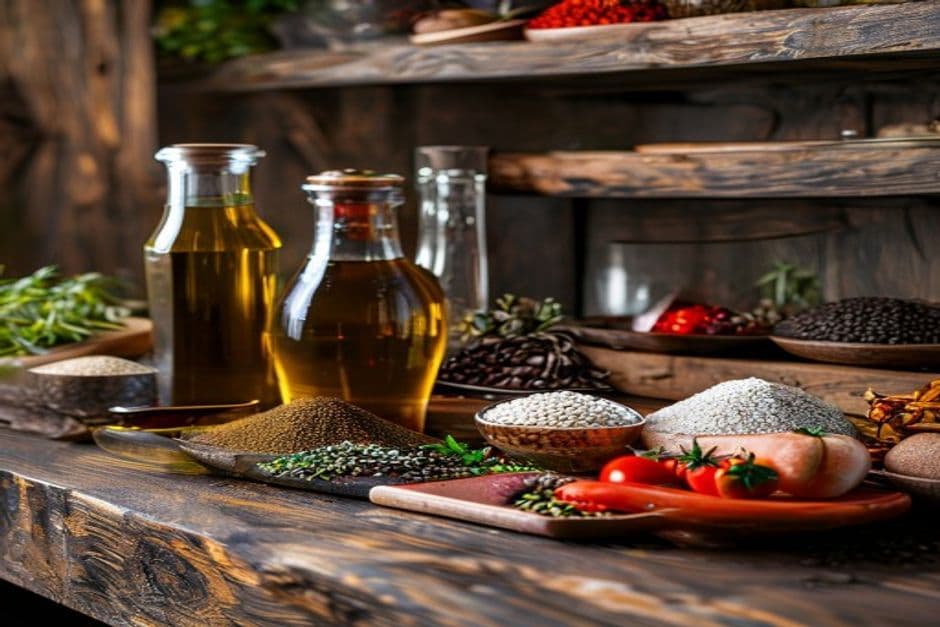
Turkish Pantry Starter Kit: 20 Essentials
Building a Turkish kitchen from scratch in the UK? These 20 pantry essentials cover ninety percent of everyday Turkish home cooking.
 Guides
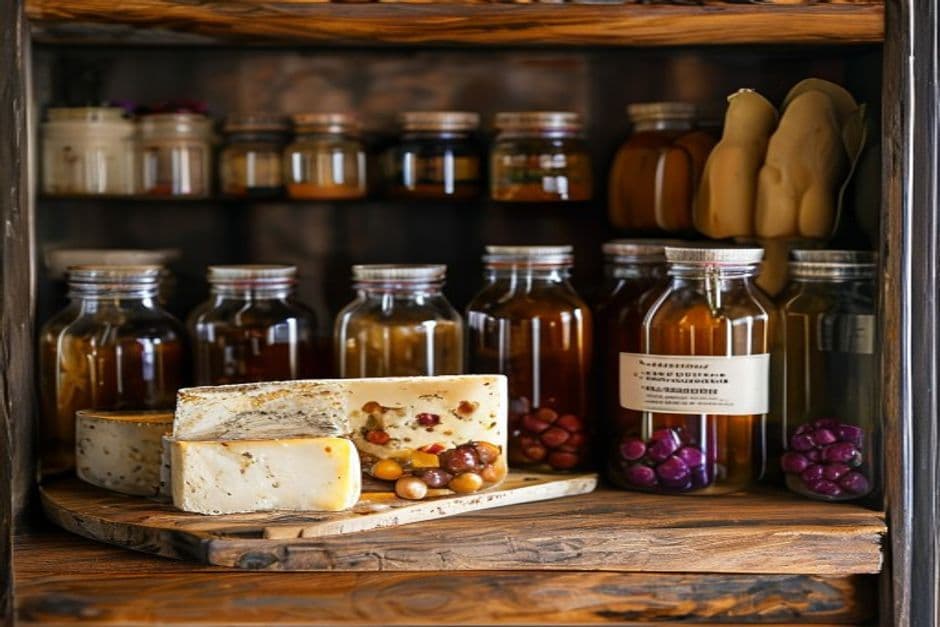
How to Store Turkish Foods: Cheese, Olives & More
Keep white cheese creamy, olives glossy and sucuk at its best. A practical storage guide for the Turkish staples in your UK kitchen.
 Guides
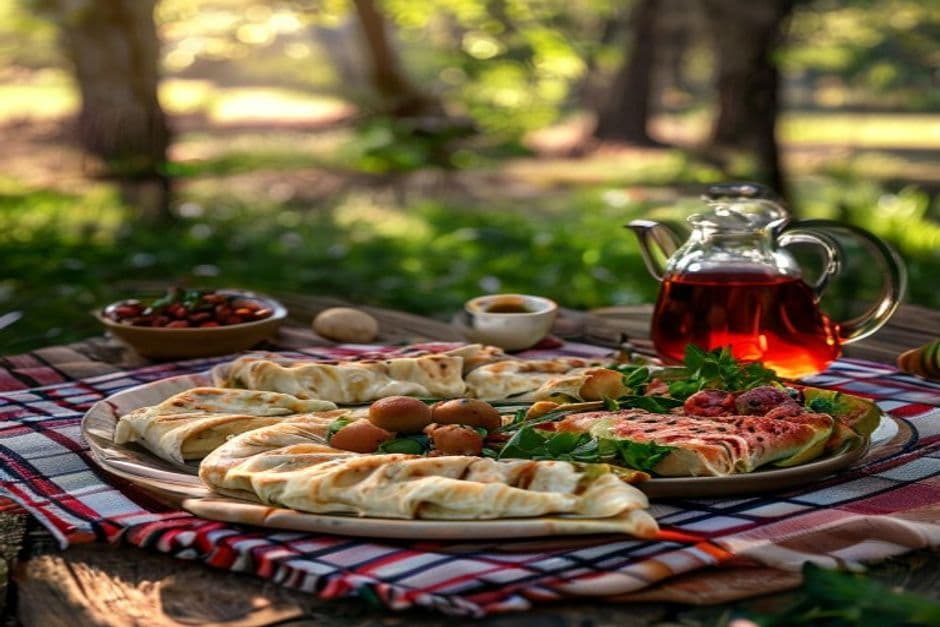
Turkish Picnic Essentials: Shopping List & Tips
Plan the perfect Turkish-style picnic in the UK with our complete shopping list, from simit and sliced sucuk to olives, ayran and stuffed vine leaves.
 Guides
Turkish Mangal: The Ultimate BBQ Guide
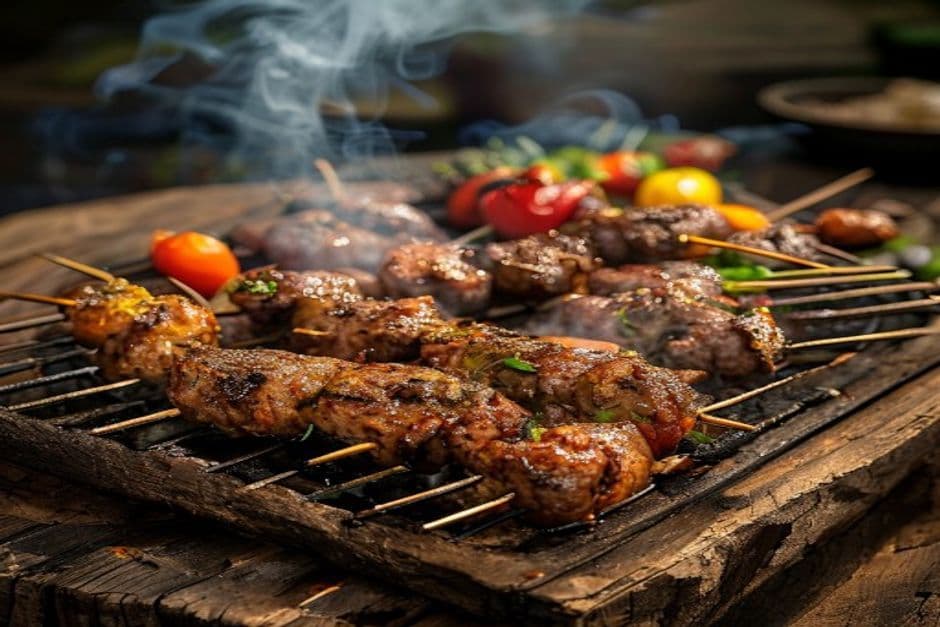
Everything you need for an authentic Turkish mangal in the UK: real charcoal, the right skewers, marinades with pepper paste, and the sides that make it a feast.