
Turkish Cheeses Explained: Beyaz Peynir, Kasar & More
Turkey makes far more than "feta": from creamy beyaz peynir to nutty aged kasar and crumbly tulum. This guide walks you through the styles worth knowing and how to serve each one.
Ask Bio about this article
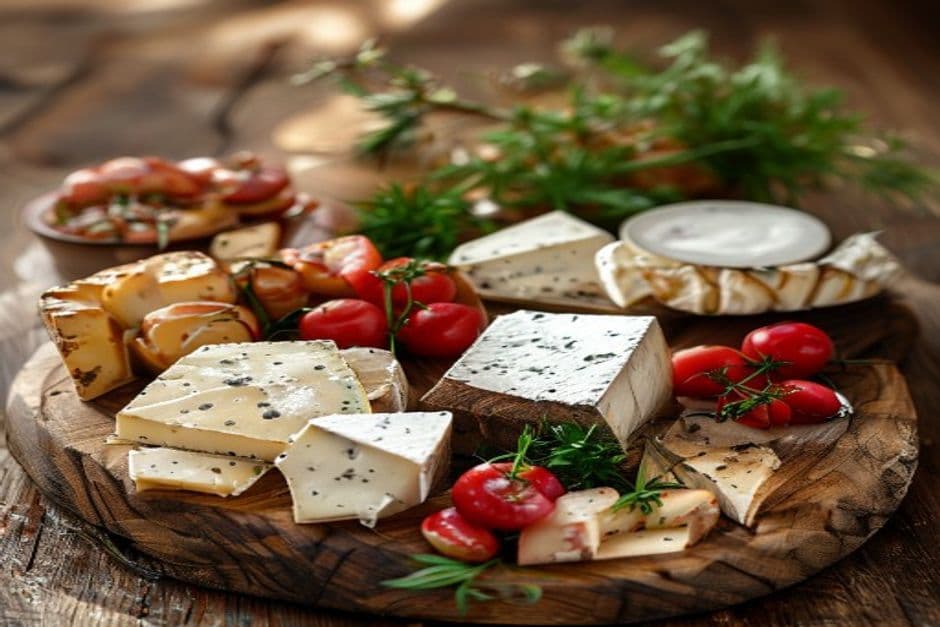
Turkey is one of the world's great cheese countries, yet outside its borders the whole tradition often gets filed under one word: feta. In truth there are dozens of distinct styles — brined, aged, stretched, braided, matured in goatskin — each tied to a region and a way of eating. If you are standing in front of a Turkish grocery shelf in the UK wondering where to start, this guide covers the essentials.
Beyaz peynir: the everyday classic
Beyaz peynir ("white cheese") is Turkey's daily bread of cheeses: a brined white cheese, usually from cow's milk, that ranges from soft and spreadable to firm and sliceable. It looks like Greek feta but is generally creamier and less aggressively salty. The benchmark is Ezine, from the northern Aegean, traditionally blending sheep, goat and cow milk for a rich, buttery depth. Fat matters on the label: a full-fat (tam yağlı, 45-60%) block eats luxuriously on its own, while lighter versions suit cooking. Too salty? Ten minutes in cold water fixes it. Use it on the breakfast table, crumbled over salads, or baked inside börek.
Kaşar: Turkey's melting cheese
Kaşar (kashkaval) is a pale yellow, pasta filata cheese in the same family as caciocavallo. Fresh kaşar (taze kaşar) is mild, springy and made for melting — it is the cheese on a Turkish toastie, on pide, and over baked pasta. Aged kaşar (eski kaşar) is firmer and nuttier, closer to a young pecorino, and deserves a place on a cheese board with honey and walnuts. If you only buy two Turkish cheeses, make it beyaz peynir and a good kaşar; between them they cover ninety percent of the cuisine.
Tulum: the bold one
Tulum is the cheese for people who like their flavours loud. Curds are packed to mature traditionally inside a goatskin (the "tulum" that gives it its name), emerging crumbly, piquant and unmistakably tangy. Erzincan tulum, made with sheep's milk, is the most celebrated. Crumble it over a glass of rakı and a slice of melon in summer, mash it with walnuts as a meze, or stuff it into flatbread. A little goes a long way.
Hellim, örgü and the fun ones
Hellim (halloumi) from Cyprus is the squeaky, high-melting-point cheese made for the grill pan — sear thick slices two minutes a side and finish with lemon. Örgü peyniri, the braided cheese of Diyarbakır, and dil peyniri, which pulls apart into satisfying strings like a mozzarella rope, are mild, milky and endlessly snackable; children tend to claim the whole packet. All three love a hot sandwich, and hellim in particular has earned a permanent spot in UK kitchens next to the barbecue tongs.
Goat, sheep and fresh cheeses
Beyond the big names, look for goat's and sheep's milk white cheeses — tangier and more rustic than cow's milk versions and wonderful with olive oil and oregano — and for lor, the fresh whey cheese similar to ricotta that Turks fold into pancakes, pasta and lighter böreks. Curd cheese also stands in beautifully for the filling in sweet künefe experiments at home.
Buying, storing and serving
Keep brined cheeses submerged in their liquid in the fridge and they will happily last weeks; once the brine is gone, top it up with lightly salted boiled water. Take every cheese out of the fridge half an hour before eating — cold mutes flavour. For a Turkish cheese board, pair one creamy white, one aged kaşar and one crumbled tulum with honey, grape molasses, walnuts and warm bread. Every style mentioned here is available from Turkish Online Market with UK-wide delivery, so the whole map of Turkish cheese is one basket away.
More recipes
 Guides
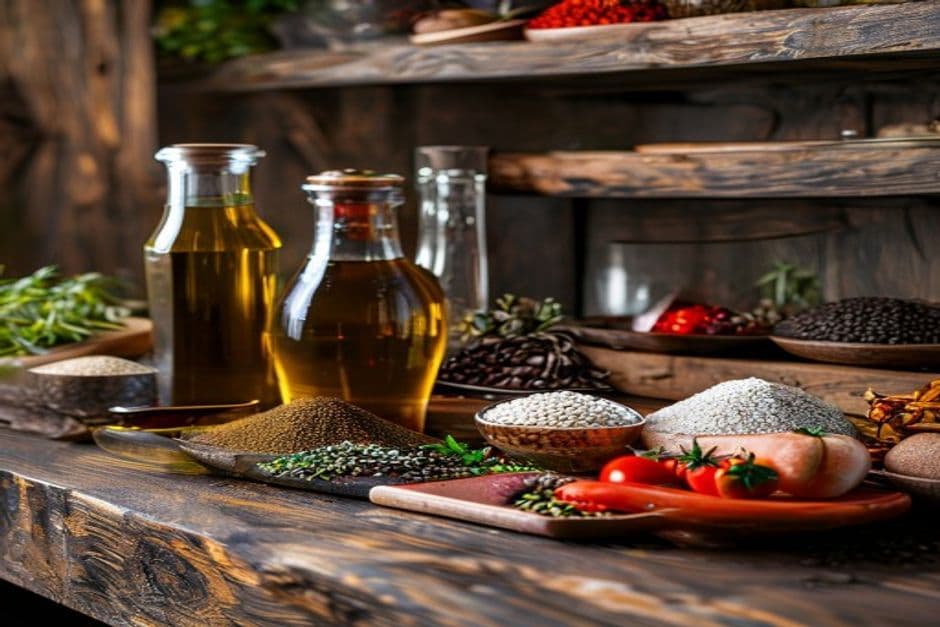
Turkish Pantry Starter Kit: 20 Essentials
Building a Turkish kitchen from scratch in the UK? These 20 pantry essentials cover ninety percent of everyday Turkish home cooking.
 Guides
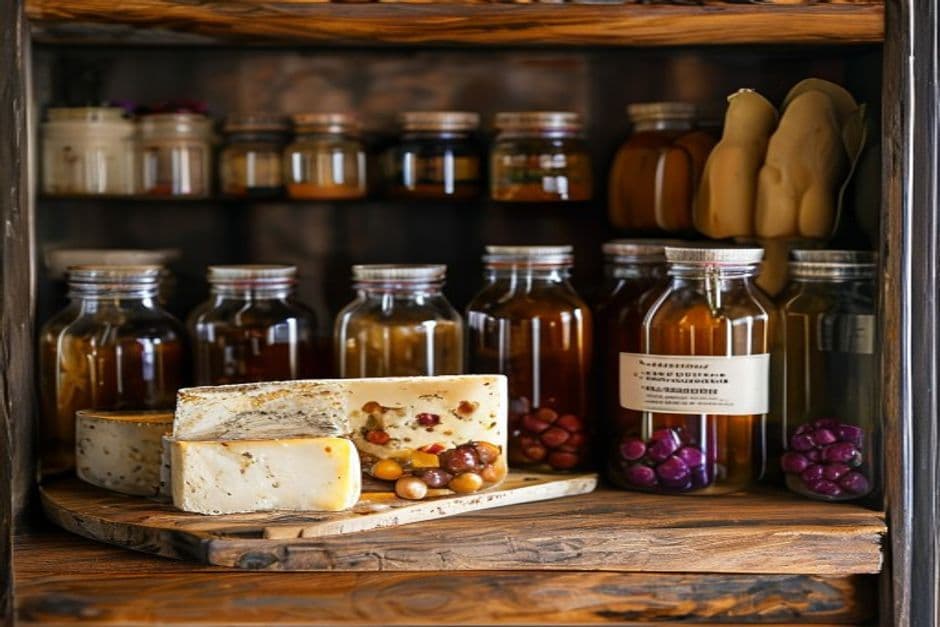
How to Store Turkish Foods: Cheese, Olives & More
Keep white cheese creamy, olives glossy and sucuk at its best. A practical storage guide for the Turkish staples in your UK kitchen.
 Guides
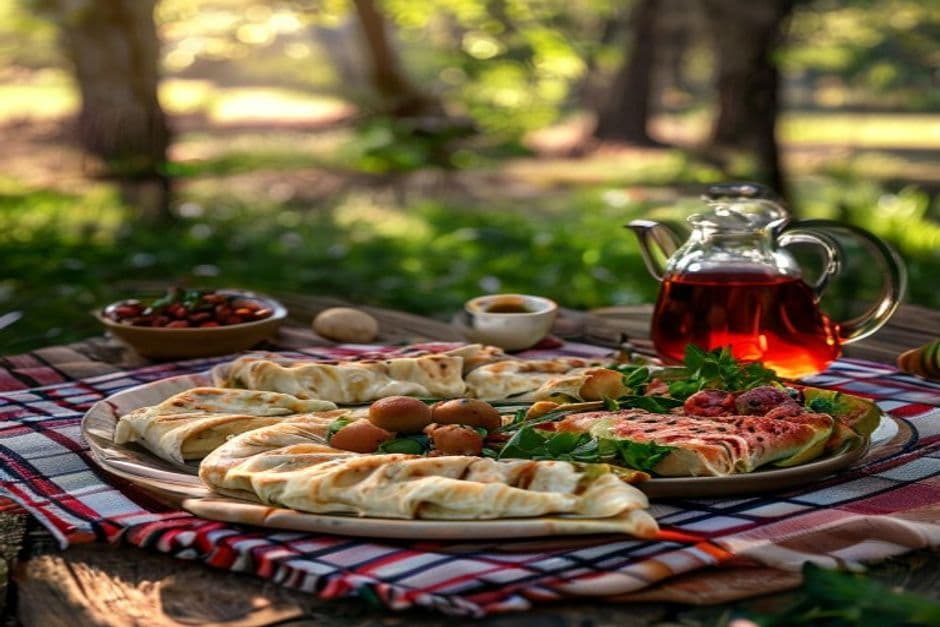
Turkish Picnic Essentials: Shopping List & Tips
Plan the perfect Turkish-style picnic in the UK with our complete shopping list, from simit and sliced sucuk to olives, ayran and stuffed vine leaves.
 Guides
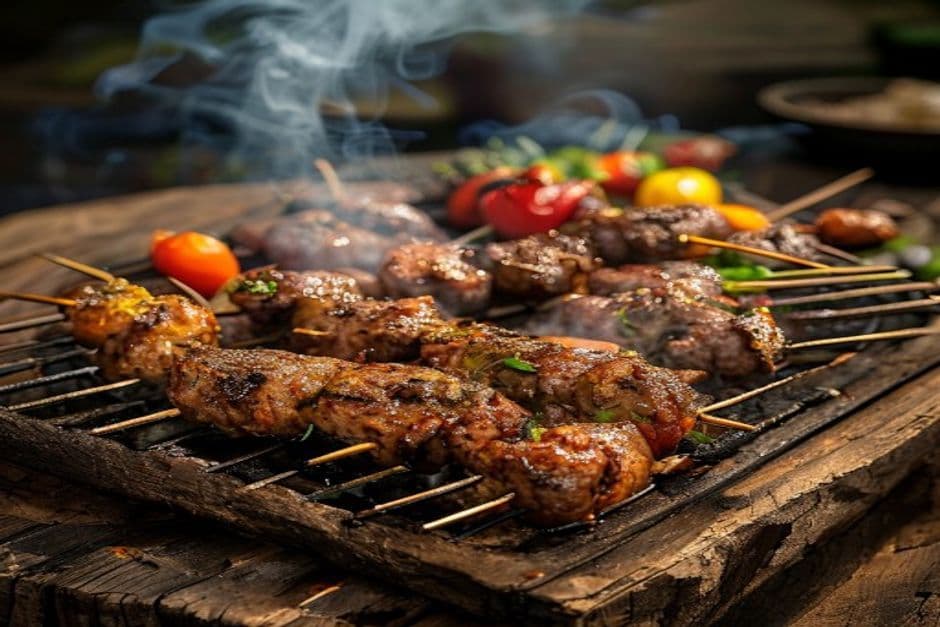
Turkish Mangal: The Ultimate BBQ Guide
Everything you need for an authentic Turkish mangal in the UK: real charcoal, the right skewers, marinades with pepper paste, and the sides that make it a feast.