
Sucuk, Pastirma & Salam: Turkish Charcuterie Explained
Kangal or finger? Kayseri-style or gourmet sliced? A practical guide to Turkish cured meats and how to cook them properly in the UK.
Ask Bio about this article
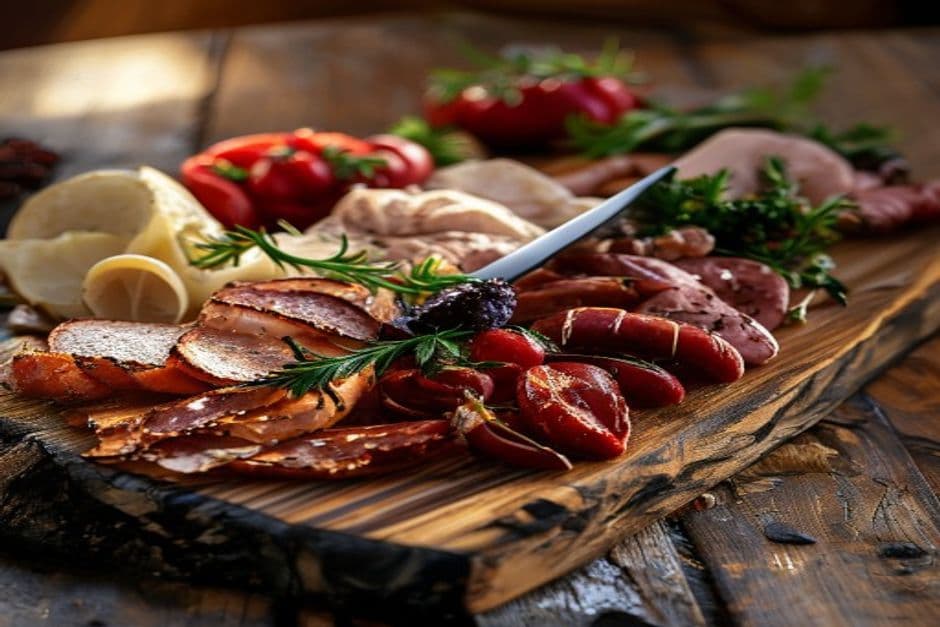
Turkish charcuterie is built on three pillars: sucuk, the garlicky fermented beef sausage; pastirma, air-dried cured beef coated in a spice paste; and salam, the everyday sliced sandwich meat. All three are halal beef or chicken based, deeply seasoned, and completely different from their European cousins. If you grew up with them, you know the smell of sucuk hitting a hot pan on a Sunday morning. If you did not, this guide will get you up to speed.
Sucuk: The Star of the Turkish Breakfast
Sucuk is a fermented, air-dried beef sausage heavy with garlic, cumin and red pepper. It comes in two main shapes: kangal, the horseshoe-shaped ring, and parmak (finger) sucuk, which are straighter and slimmer. A 1kg Efepasa kangal or Egeturk finger sucuk keeps for weeks in the fridge, making it a genuine staple rather than a treat. Kayseri is the city most associated with sucuk-making, and Kayseri-style versions from Yayla or a hot chilli kangal from Koc are drier, more intensely spiced and closer to the traditional butcher style.
How to Cook Sucuk Properly
The golden rule: no oil. Slice sucuk about half a centimetre thick, place it in a cold dry pan and let it render its own paprika-stained fat over medium heat. Two minutes a side until the edges curl and crisp. Crack eggs straight into that red oil for sucuklu yumurta, tuck slices into a toastie with kasar cheese, scatter over pide or pizza, or thread chunks onto skewers for the barbecue. Pre-sliced packs, like Ozyorem gourmet sliced sucuk, are handy for toasties and save you the knife work.
Pastirma: Turkey's Answer to Bresaola
Pastirma is whole beef, salt-cured, pressed and air-dried, then coated in cemen: a paste of fenugreek, garlic and hot paprika. It is sliced paper thin and eaten as is with a Turkish breakfast, wrapped around eggs, or dropped into simmering white bean stew (kuru fasulye) where it releases its spice into the sauce. An 80g sliced pack from Melis is the easy entry point; a whole 1kg Egeturk pastirma is the move for households that take breakfast seriously. Fry it only briefly, if at all; ten seconds in butter is plenty before it toughens.
Salam: The Everyday Slice
Turkish salam is milder and softer than cured continental salami, closer to a seasoned lunch meat, and it is what goes into school sandwiches and breakfast platters across Turkey. Beef and chicken versions, plain or studded with black pepper, are all halal. A 150g pack of Efepasa sliced beef salami with cucumber and white cheese makes the classic Turkish lunchbox combination.
Storage and Buying Tips for the UK
Unopened sucuk and pastirma are happy in the fridge for weeks; once cut, wrap the exposed end tightly and use within a fortnight. Both freeze well in portions. When buying, check the meat content and look for 100 percent beef on the label if you want the traditional taste. Turkish Online Market stocks the major Turkish brands and delivers them chilled across the UK, so a proper Turkish breakfast is never more than a delivery away.
More recipes
 Guides
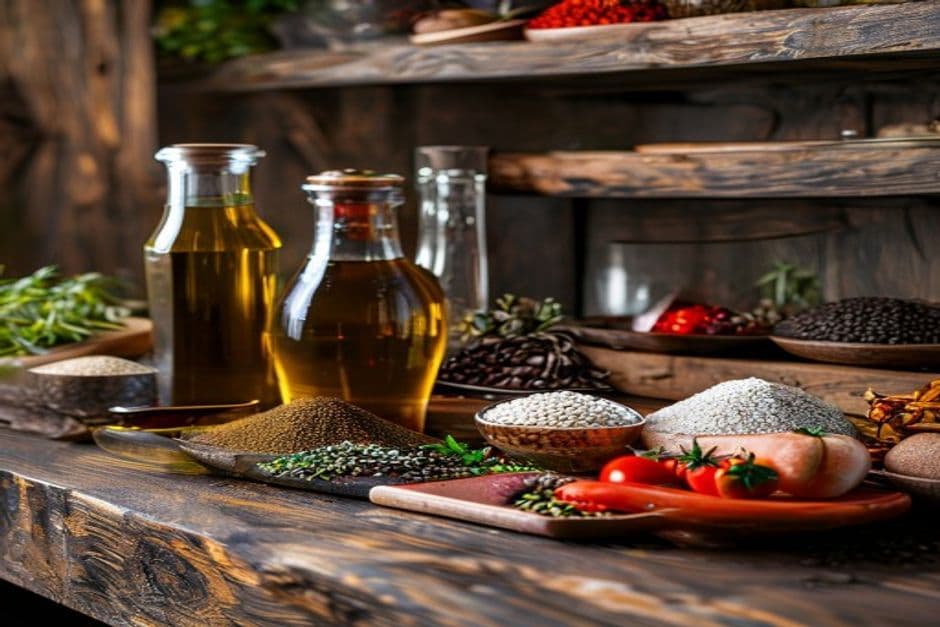
Turkish Pantry Starter Kit: 20 Essentials
Building a Turkish kitchen from scratch in the UK? These 20 pantry essentials cover ninety percent of everyday Turkish home cooking.
 Guides
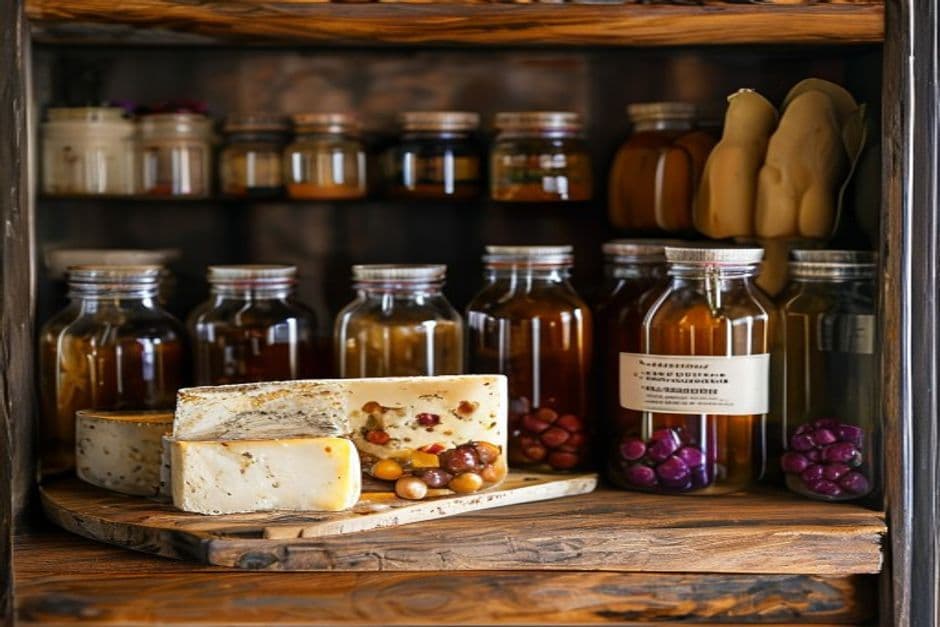
How to Store Turkish Foods: Cheese, Olives & More
Keep white cheese creamy, olives glossy and sucuk at its best. A practical storage guide for the Turkish staples in your UK kitchen.
 Guides
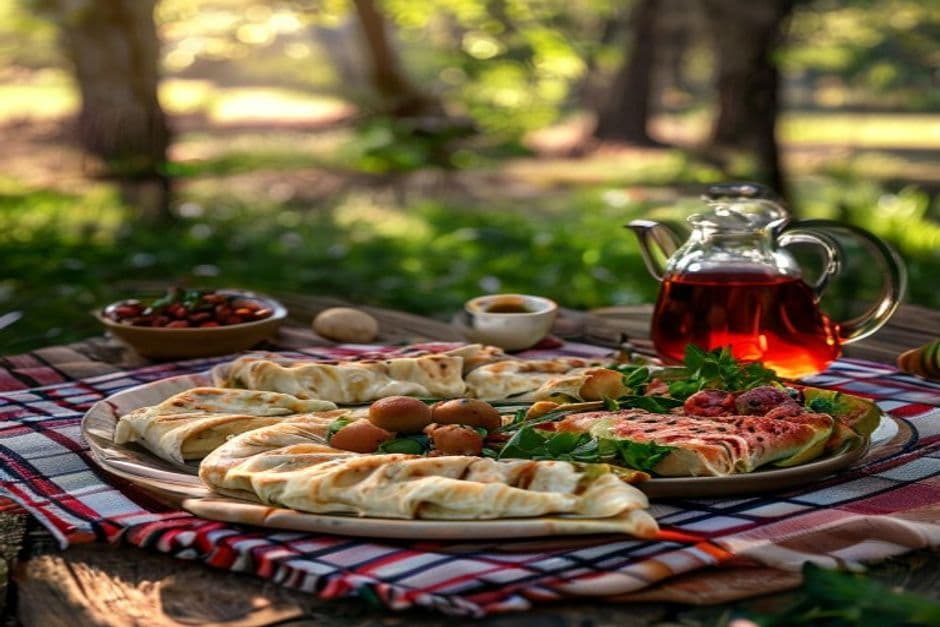
Turkish Picnic Essentials: Shopping List & Tips
Plan the perfect Turkish-style picnic in the UK with our complete shopping list, from simit and sliced sucuk to olives, ayran and stuffed vine leaves.
 Guides
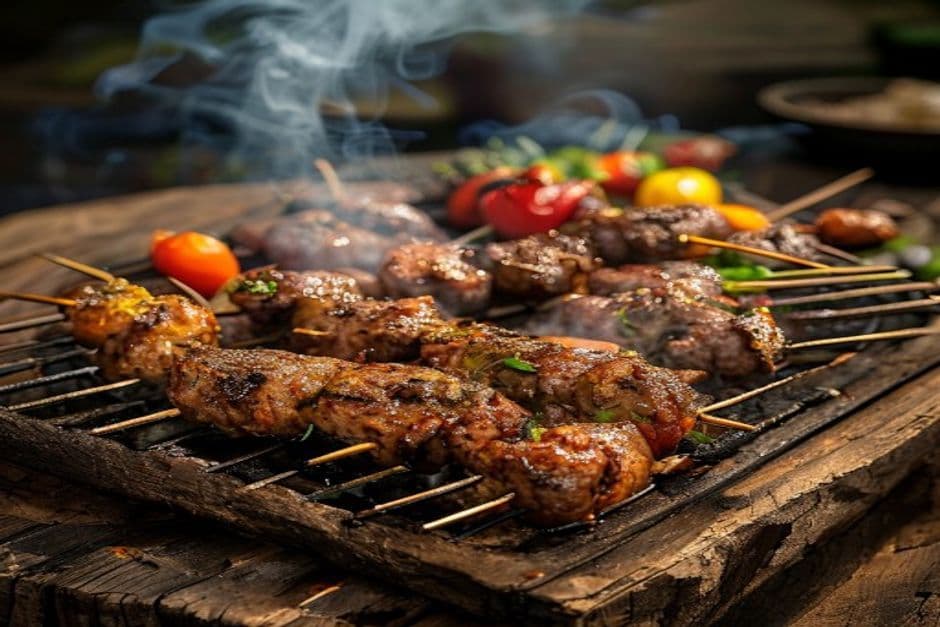
Turkish Mangal: The Ultimate BBQ Guide
Everything you need for an authentic Turkish mangal in the UK: real charcoal, the right skewers, marinades with pepper paste, and the sides that make it a feast.