
Choosing Turkish Olive Oil & Olives: A Buyer's Guide
Turkey is one of the world's biggest olive producers, yet its oils and table olives are still a well-kept secret in the UK. Here is how to read the labels and pick well.
Ask Bio about this article
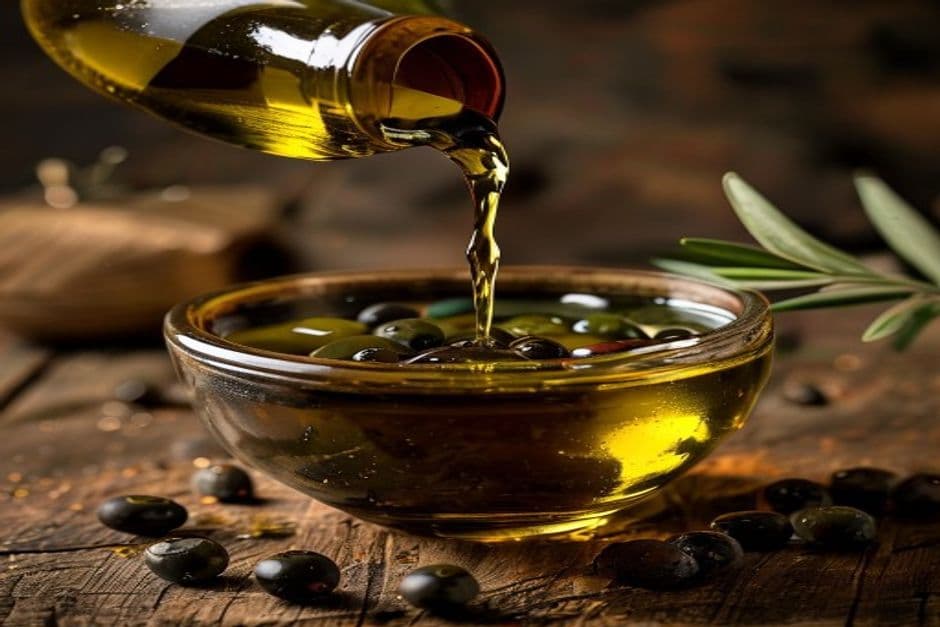
Turkey's Aegean coast has been pressing olives for thousands of years, and the country now ranks among the world's top producers of both olive oil and table olives. Yet walk into most UK supermarkets and you will find Italian and Spanish bottles, Greek olives — and almost nothing Turkish. That is a gap worth exploiting, because Turkish oil and olives offer serious quality at honest prices. This guide explains what the labels mean and how to match each jar and bottle to the job.
Olive oil grades, decoded
The words on the bottle matter more than the brand. Extra virgin (sızma) is oil from the first cold pressing with free acidity below 0.8% — fruity, sometimes peppery at the back of the throat, and the only grade worth drizzling raw. Riviera is a Turkish-market staple: refined olive oil blended with a portion of virgin oil, giving a lighter colour and a much milder taste. It is not a downgrade so much as a different tool — its neutral profile and stability make it ideal for everyday frying and sautéing where a punchy sızma would be wasted. Plain "olive oil" on a label generally means the same refined-plus-virgin blend.
Which oil for which job
A practical Turkish kitchen runs on two bottles. Keep a good extra virgin for everything eaten cold or finished raw: salads, breakfast dips, drizzling over white cheese, and the whole family of zeytinyağlı dishes — vegetables like green beans or stuffed vine leaves cooked gently in olive oil and served at room temperature. Keep a riviera or classic olive oil for eggs, menemen, frying vegetables and general cooking. If you cook Turkish food weekly, buying the cooking oil in 3-4 litre tins is markedly cheaper per litre, and a tin protects the oil from light better than clear glass.
How to judge freshness
Olive oil is a fresh product, not a wine — it does not improve with age. Check the harvest or bottling date and aim to finish a bottle within 18-24 months of harvest. Good oil smells of something alive: cut grass, green apple, artichoke. A flat, waxy or crayon-like smell means the oil has oxidised. Store it in a cupboard away from the hob; heat and light are its enemies.
Turkish table olives: the black ones
The king of Turkish breakfast olives is the Gemlik, a small black olive from the southern Marmara coast that ripens fully on the tree and cures to a soft, intensely savoury, almost chocolatey depth. On jars you will see size codes — XS through XL and 2XS/3XS — which count how many olives make up a kilo; smaller sizes are cheaper and often more concentrated in flavour, larger ones plumper and milder. "Dried" or "sele" style olives are salt-cured and wrinkled, with a bittersweet intensity that pairs beautifully with white cheese and tea. If salt is a concern, look for the less-salty (az tuzlu) lines several producers now offer. Black olive paste, spread thinly on warm bread with a little oil, is the shortcut version of the whole experience.
Green olives: cracked, scratched and stuffed
Green olives are picked unripe and firm, and Turkish producers prepare them two classic ways. Cracked (kırma) olives are split open before brining so the cure penetrates fast, keeping them crunchy and bright — the standard partner to lemon and a thread of oil at breakfast. Scratched (çizik) olives are scored rather than crushed, sitting halfway between crunchy and mellow. Beyond those, cocktail-size giants and olives stuffed with red pepper make easy meze plates. Whichever you buy, dress them at home: olive oil, dried oregano, a little lemon and perhaps a pinch of chilli flakes turn a jar of olives into a dish.
Building your starter shopping list
For a first order, one 750ml extra virgin for the table, one bottle or tin of riviera for the pan, a jar of Gemlik-style black olives and a jar of cracked green olives will cover breakfast, cooking and meze in one go. From there, explore: a salt-cured dried olive, an olive paste, a bigger tin of oil once you know what you like. Everything in this guide ships across the UK from Turkish Online Market, straight from the brands Turkish households actually buy.
More recipes
 Guides
Turkish Pantry Starter Kit: 20 Essentials
Building a Turkish kitchen from scratch in the UK? These 20 pantry essentials cover ninety percent of everyday Turkish home cooking.
 Guides
How to Store Turkish Foods: Cheese, Olives & More
Keep white cheese creamy, olives glossy and sucuk at its best. A practical storage guide for the Turkish staples in your UK kitchen.
 Guides
Turkish Picnic Essentials: Shopping List & Tips
Plan the perfect Turkish-style picnic in the UK with our complete shopping list, from simit and sliced sucuk to olives, ayran and stuffed vine leaves.
 Guides
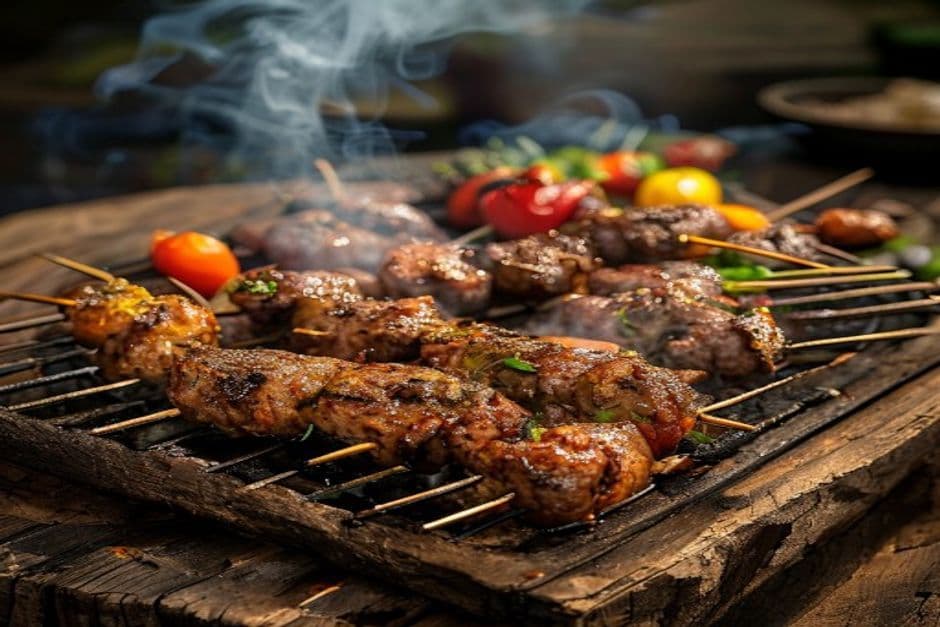
Turkish Mangal: The Ultimate BBQ Guide
Everything you need for an authentic Turkish mangal in the UK: real charcoal, the right skewers, marinades with pepper paste, and the sides that make it a feast.