
Kurukahveci Mehmet Efendi: The Turkish Coffee Legend
The story behind Turkey's most famous coffee roaster, how to choose the right pack size, and how to brew Kurukahveci Mehmet Efendi properly at home in the UK.
Ask Bio about this article

Walk into any Turkish home and offer to make coffee, and there is a very good chance the tin you reach for will be red, gold and instantly recognisable. Kurukahveci Mehmet Efendi has been roasting and grinding Turkish coffee in Istanbul since 1871, when Mehmet Efendi took over his father's raw coffee shop in the Tahmis Sokak, just behind the Spice Bazaar in Eminonu. His innovation was simple but revolutionary: instead of selling green beans for customers to roast and pound at home, he sold coffee ready-roasted and ground to the flour-fine powder that Turkish coffee demands. More than 150 years later, the company is still run from the same corner and still queues out of the door.
What Makes Mehmet Efendi Coffee Different
Turkish coffee is not a bean, it is a grind and a method. The coffee is milled far finer than espresso, almost like cocoa powder, because the grounds are never filtered out; they settle at the bottom of the cup and the fine grind is what creates the famous thick foam, or kopuk. Mehmet Efendi uses 100 percent Arabica beans, roasted to a medium profile that keeps the chocolatey, gently smoky character Turkish drinkers expect. Because the grind is so fine, freshness matters enormously, which is why the coffee is sold in vacuum-sealed packs and tins rather than loose.
Choosing the Right Pack Size
At Turkish Online Market we stock the full household range. The 100g pack is the classic gold tin most people picture, ideal if you drink Turkish coffee occasionally or want to try it for the first time. The 250g pack is the everyday choice for a household that brews a cup or two daily, while the 500g pack is the best value for serious drinkers, larger families or anyone hosting regularly. There is also a very clever 12-piece box of 6g single-serve sachets: each sachet is exactly one cup's dose, pre-measured, which keeps the coffee perfectly fresh and takes all the guesswork out of brewing. The sachets are brilliant for offices, travel and gifts.
How to Brew It Properly
You need a cezve (the small long-handled pot), cold water and patience. For each cup, add one heaped teaspoon of coffee, about 7g, one Turkish coffee cup of cold water and sugar to taste: sade is unsweetened, orta is one teaspoon, sekerli is two. Stir well before the pot goes on the heat, then do not stir again. Heat gently over a low flame; as the foam rises, lift the pot off just before it boils, spoon a little foam into each cup, return the pot briefly to the heat and then pour slowly. Never let it fully boil, boiling kills the foam. Let the cup rest a minute so the grounds settle before drinking.
Serving It the Turkish Way
Turkish coffee is a ritual as much as a drink. It is always served with a glass of water, drunk first to clear the palate, and traditionally with something sweet on the side. A cube of pistachio Turkish delight or a rose and lemon lokum is the classic pairing, and the combination of intense coffee and delicate sweetness is one of the great pleasures of the Turkish table. In 2013 UNESCO added Turkish coffee culture to its Intangible Cultural Heritage list, which tells you how central this little cup is to social life.
Storage Tips for UK Kitchens
Once opened, transfer the coffee to an airtight container and keep it in a cool, dark cupboard, not the fridge, where it picks up moisture and odours. Because the grind is so fine it loses aroma faster than coarser coffee, so buy the size you will finish within a month or two, or stick to the single-serve sachets if you brew rarely. However you take it, sade or sekerli, a proper cup of Mehmet Efendi is the closest thing to Istanbul you can pour in a British kitchen.
More recipes
 Guides
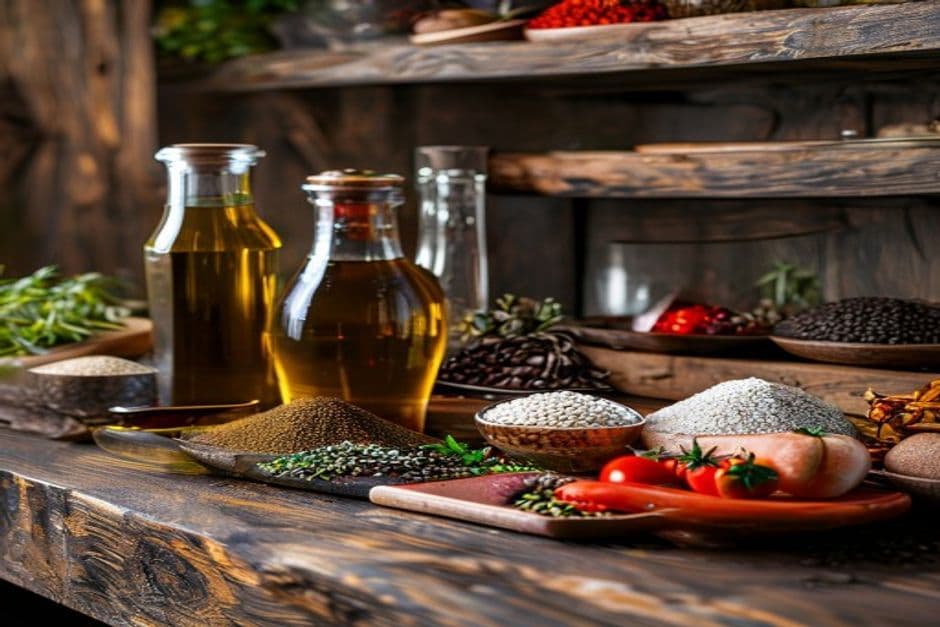
Turkish Pantry Starter Kit: 20 Essentials
Building a Turkish kitchen from scratch in the UK? These 20 pantry essentials cover ninety percent of everyday Turkish home cooking.
 Guides
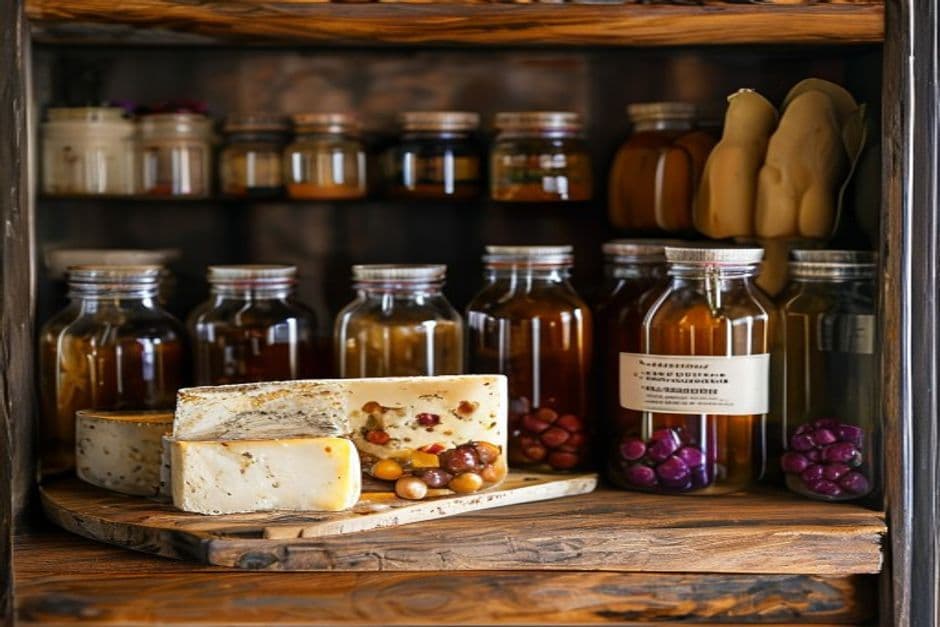
How to Store Turkish Foods: Cheese, Olives & More
Keep white cheese creamy, olives glossy and sucuk at its best. A practical storage guide for the Turkish staples in your UK kitchen.
 Guides
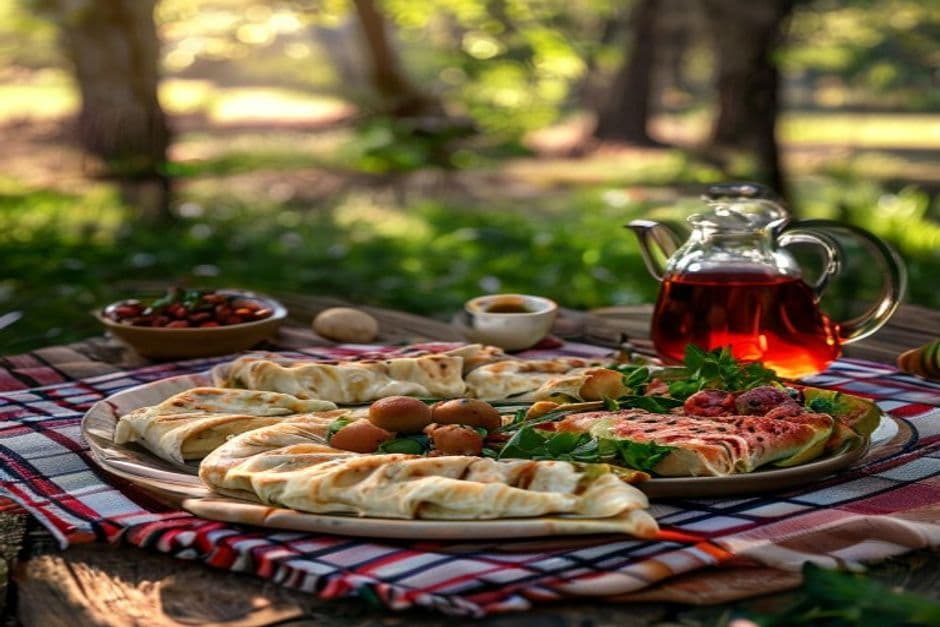
Turkish Picnic Essentials: Shopping List & Tips
Plan the perfect Turkish-style picnic in the UK with our complete shopping list, from simit and sliced sucuk to olives, ayran and stuffed vine leaves.
 Guides
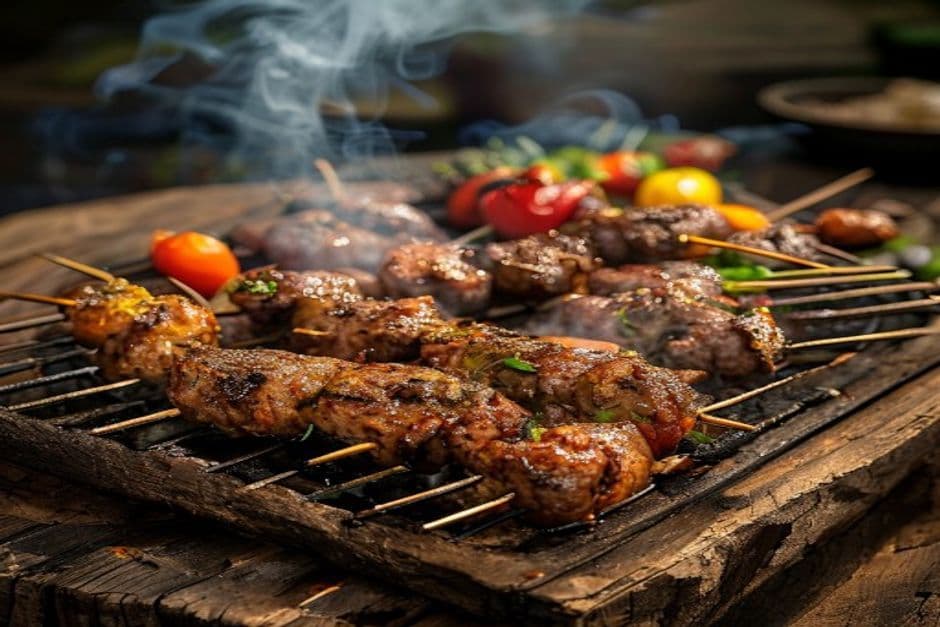
Turkish Mangal: The Ultimate BBQ Guide
Everything you need for an authentic Turkish mangal in the UK: real charcoal, the right skewers, marinades with pepper paste, and the sides that make it a feast.