
Koska Guide: Halva, Tahini & Turkish Delight
Everything you need to know about Koska, Turkey's most famous halva maker: which halva to choose, how to use tahini and molasses, and the Turkish delight worth gifting.
Ask Bio about this article
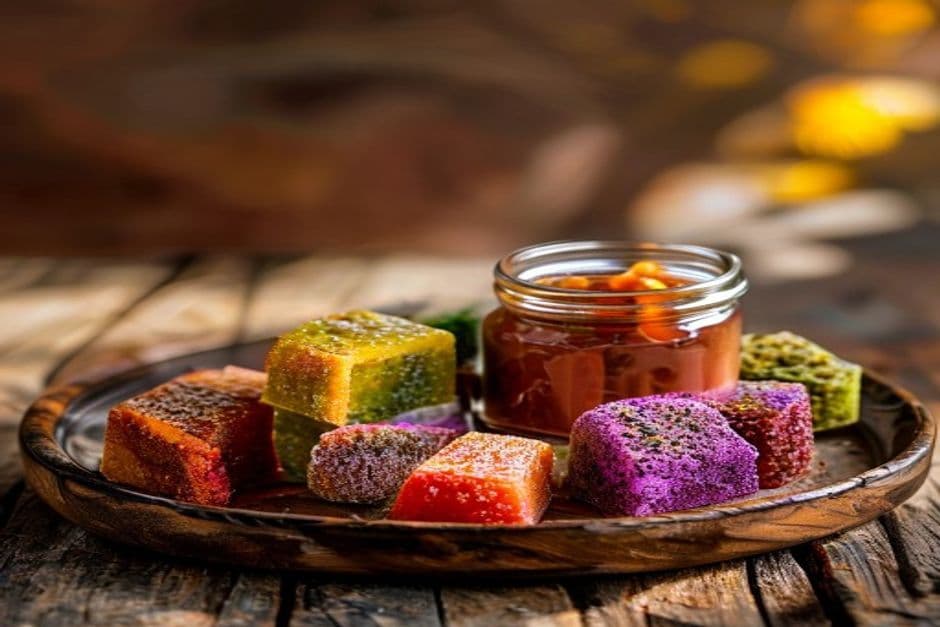
Ask any Turkish family to name a halva brand and the answer is almost always the same: Koska. Founded in Denizli in 1907 and now run by the fourth generation, Koska has spent over a century perfecting sesame-based sweets. For Turks living in the UK, spotting that familiar red logo on a shelf is a small moment of home. This guide walks you through the full Koska range so you know exactly what to put in your basket.
Halva: The Heart of the Range
Tahin helvasi is Koska's signature product, made by kneading roasted sesame paste with natural soapwort extract and sugar until it forms that unmistakable flaky, melt-in-the-mouth texture. The 700g plain halva is the classic choice for families, while the pistachio halva studded with whole Antep pistachios is the one to bring out for guests. There is also a cocoa halva that children adore, and even a diabetic-friendly light version sweetened for those watching their sugar. Try halva the Turkish way: a thick slice with a hot cup of tea, or pan-fried until the edges caramelise and served warm over ice cream.
Tahini and Pekmez: The Original Power Duo
Long before nut butters became fashionable, Turkish breakfasts featured tahin-pekmez, a swirl of pure sesame paste and grape molasses eaten with fresh bread. Koska's sesame paste comes in 300g and generous 620g jars, made from nothing but stone-ground roasted sesame. Pair it with their grape molasses, or explore the mulberry and carob molasses varieties, each with its own depth: mulberry is lighter and honeyed, carob is dark and almost chocolatey, and it is traditionally given to children in winter as a natural iron boost. If mixing feels like a chore, Koska sells a ready-blended tahini and grape molasses jar, and the hazelnut version is dangerously spoonable.
Turkish Delight Worth Gifting
Koska lokum is proper Turkish delight, slowly set with starch and dusted, never the rubbery imitation found in tourist shops. The 500g pistachio delight is the best-seller, the pistachio-rich version doubles down on nuts, and the rose-flavoured lokum is the fragrant classic that pairs beautifully with Turkish coffee. There are also pomegranate, hazelnut and mastic gum varieties if you want to build a tasting box. A tray of Koska lokum with coffee after dinner is the easiest way to impress British friends.
Jams, Preserves and Breakfast Extras
Less well known outside Turkey is Koska's preserve range, made in the traditional whole-fruit style. The rose petal preserve is the jewel: actual rose petals suspended in fragrant syrup, wonderful stirred into yogurt or spooned over rice pudding. Sour cherry, fig, quince, apricot and strawberry preserves round out a proper Turkish breakfast table. And for the modern generation, Cikos chocolate and tahini cream is Koska's answer to chocolate spread, with a nutty sesame depth that makes ordinary versions taste one-dimensional.
How to Store and Serve
Halva keeps for months in a cool cupboard; once opened, wrap it well so it does not dry out. Tahini separates naturally, so stir the oil back in rather than pouring it off. Lokum should stay in its box away from humidity. None of these need refrigeration, which makes them ideal store-cupboard sweets. You can order the full Koska range from Turkish Online Market with delivery across the UK, so the taste of a century-old Istanbul institution is never more than a few days away.
More recipes
 Guides
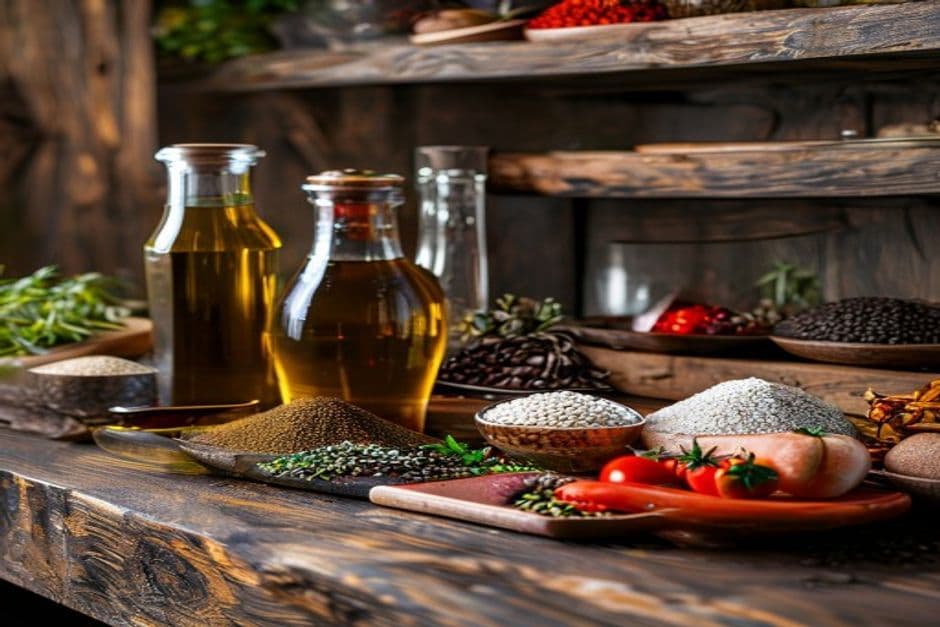
Turkish Pantry Starter Kit: 20 Essentials
Building a Turkish kitchen from scratch in the UK? These 20 pantry essentials cover ninety percent of everyday Turkish home cooking.
 Guides
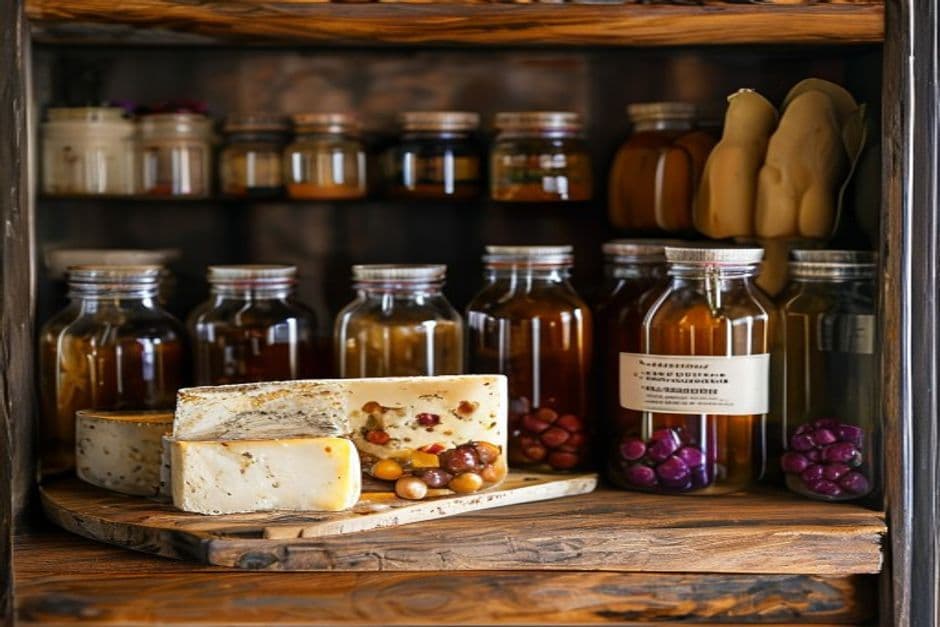
How to Store Turkish Foods: Cheese, Olives & More
Keep white cheese creamy, olives glossy and sucuk at its best. A practical storage guide for the Turkish staples in your UK kitchen.
 Guides
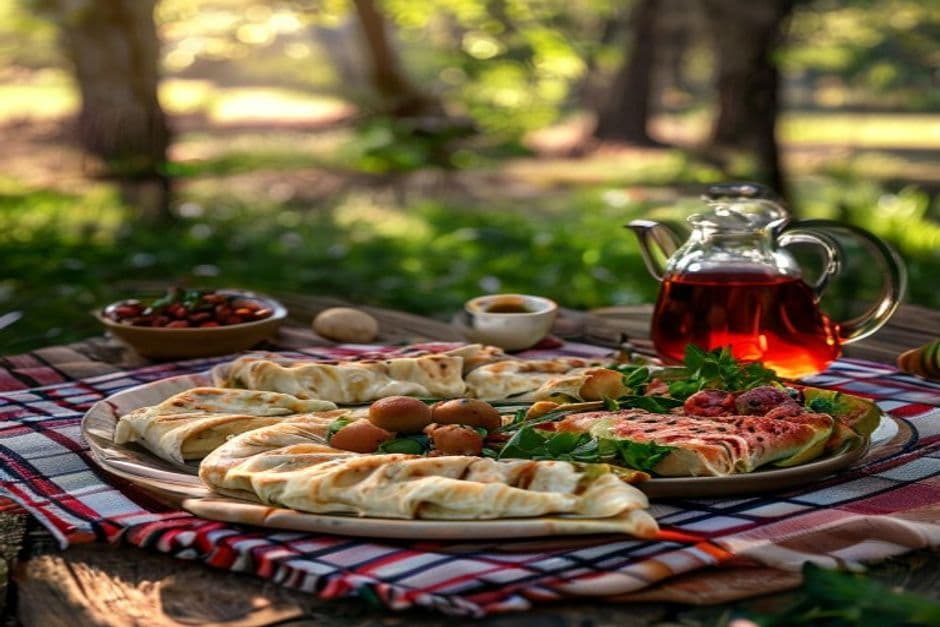
Turkish Picnic Essentials: Shopping List & Tips
Plan the perfect Turkish-style picnic in the UK with our complete shopping list, from simit and sliced sucuk to olives, ayran and stuffed vine leaves.
 Guides
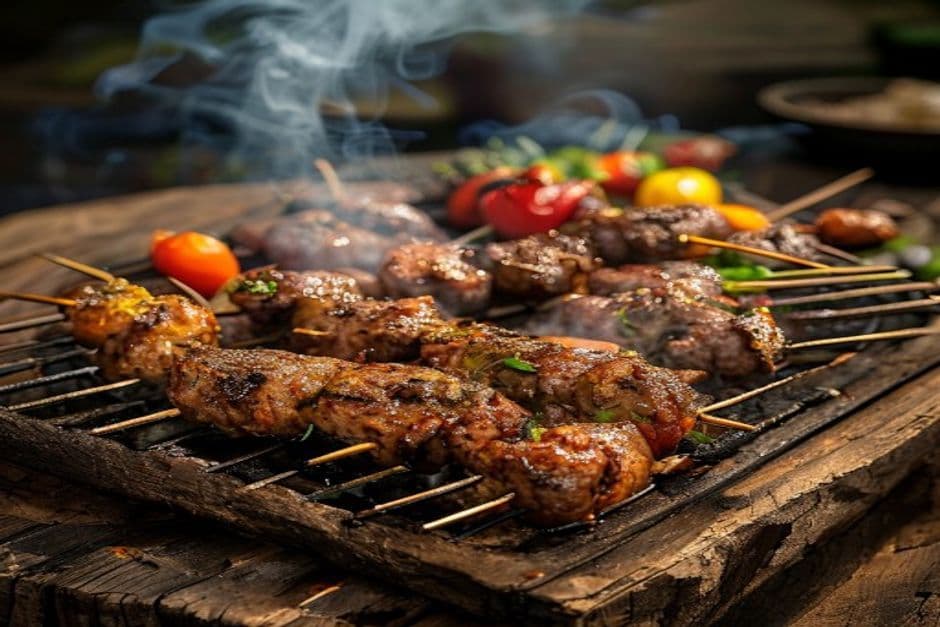
Turkish Mangal: The Ultimate BBQ Guide
Everything you need for an authentic Turkish mangal in the UK: real charcoal, the right skewers, marinades with pepper paste, and the sides that make it a feast.