
Efepasa Guide: Sucuk & Turkish Charcuterie
Kangal, finger or sliced? This guide to Efepasa explains every sucuk shape, the salami range, and how to cook Turkish charcuterie properly in a UK kitchen.
Ask Bio about this article
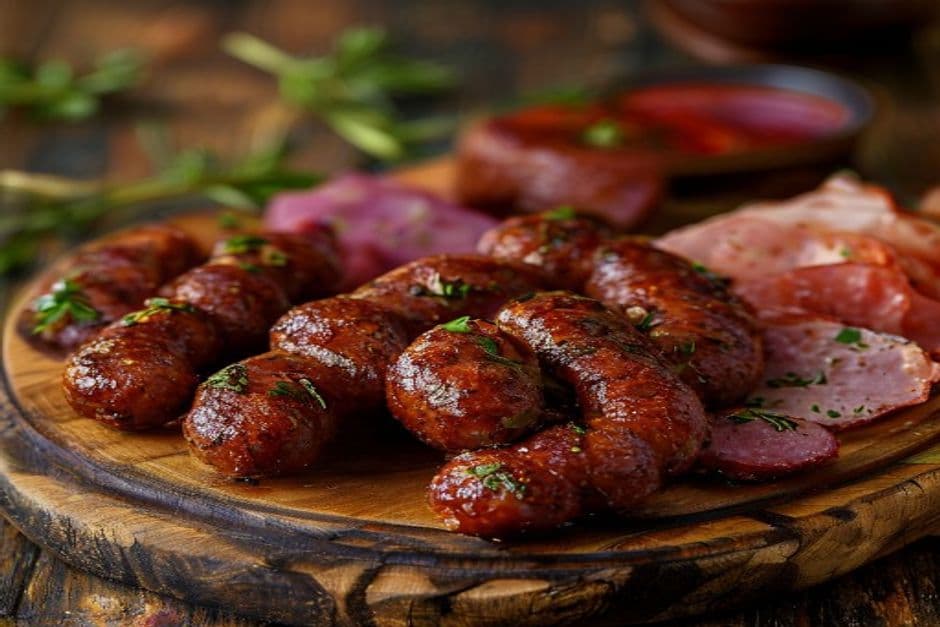
Few smells say Turkish weekend breakfast like sucuk hitting a hot pan: garlicky, smoky, stained deep red with paprika. Efepasa, one of Turkey's best-known charcuterie houses with roots in Izmir, produces halal sucuk and salami to European standards, which is exactly why it has become a staple in Turkish households across the UK. This guide decodes the range so you can pick the right sausage for the right job.
What Makes Sucuk, Sucuk
Sucuk is a dry-fermented beef sausage seasoned generously with garlic, cumin, and both sweet and hot red pepper. Unlike fresh sausages it is cured, so it keeps well and needs no oil in the pan; the fat it renders is the cooking fat, and arguably the best part for dipping bread. Efepasa ferments its sucuk traditionally, giving it that slight tang and firm bite that separates real sucuk from soft imitations.
Kangal, Finger or Round: Choosing a Shape
The names describe the shape, and shape changes how you use it. Kangal sucuk is the classic horseshoe ring; Efepasa's Pasa kangal comes in a full kilo, ideal for families who slice it thick for breakfast all week. Finger sucuk (parmak) is a straight, slimmer stick, available as the kilo-size Pasam or the 500g Yonca, and its narrower diameter gives you neat small coins that crisp quickly, perfect for sucuklu yumurta. The Mera round sucuk is 100% beef for those who want a pure-beef declaration on the label. If convenience wins, Guven sliced sucuk comes ready-cut in 200g packs for tosts and pizzas.
The Salami Side of the House
Efepasa's salami range covers the sandwich and picnic end of Turkish charcuterie. The Imren 400g beef salami is the family block for slicing at home, while Yore sliced beef salami and the peppered Etap version go straight into lunchboxes. For lighter eating there are chicken salamis: the Arzum sliced chicken salami and the Zeybek chicken salami with pepper, both popular with kids in toasted sandwiches. All are halal certified, taking the guesswork out of the deli aisle.
How to Cook Sucuk Properly
Rule one: no oil. Slice the sucuk into half-centimetre coins, lay them in a cold dry pan and bring the heat up to medium so the fat renders slowly and the edges curl and crisp. For sucuklu yumurta, crack the eggs straight into that spiced fat. Beyond breakfast, sucuk transforms other dishes: tuck slices into a cheese toastie, scatter over homemade pizza instead of pepperoni, cube it into kuru fasulye or lentil soup for smoky depth, or thread chunks onto barbecue skewers in summer. Sliced salami, by contrast, is eaten cold or briefly griddled for tost.
Storage and Buying Tips
Unopened sucuk keeps happily in the fridge for weeks thanks to its cure; once cut, wrap the end tightly and use it within a week or so. A white bloom on the casing is normal for fermented sausage, but the casing itself should be peeled before eating. Buying the kilo kangal or finger sucuk works out noticeably cheaper per hundred grams than small packs, and it freezes well in portions. You can order the full Efepasa range from Turkish Online Market with chilled delivery anywhere in the UK, so Sunday breakfast is always covered.
More recipes
 Guides
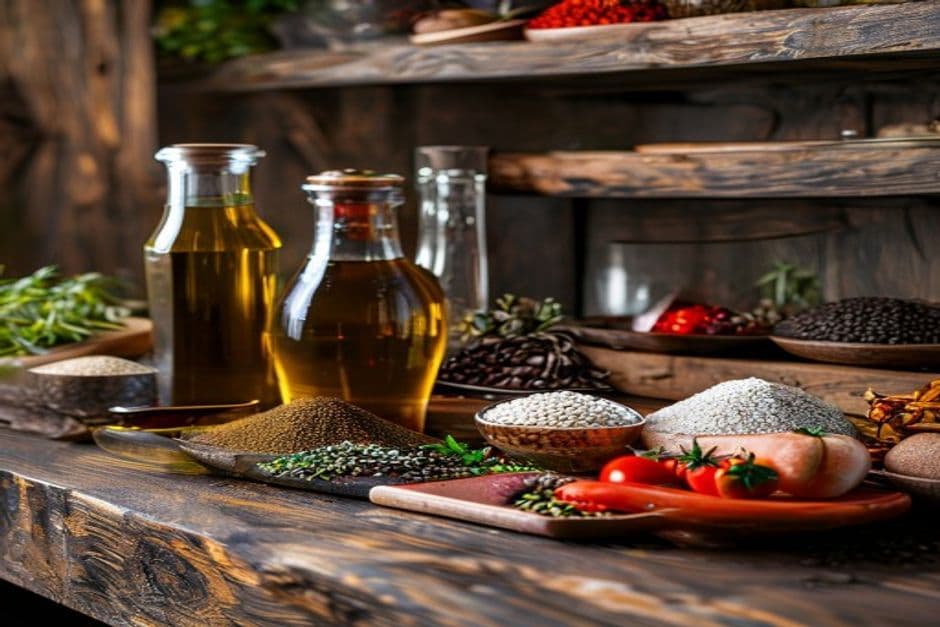
Turkish Pantry Starter Kit: 20 Essentials
Building a Turkish kitchen from scratch in the UK? These 20 pantry essentials cover ninety percent of everyday Turkish home cooking.
 Guides
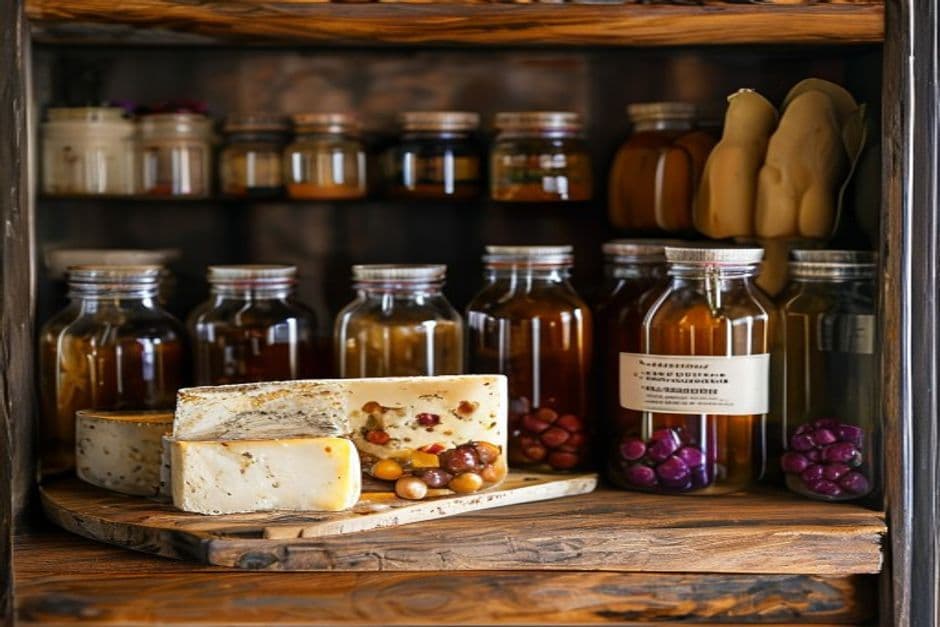
How to Store Turkish Foods: Cheese, Olives & More
Keep white cheese creamy, olives glossy and sucuk at its best. A practical storage guide for the Turkish staples in your UK kitchen.
 Guides
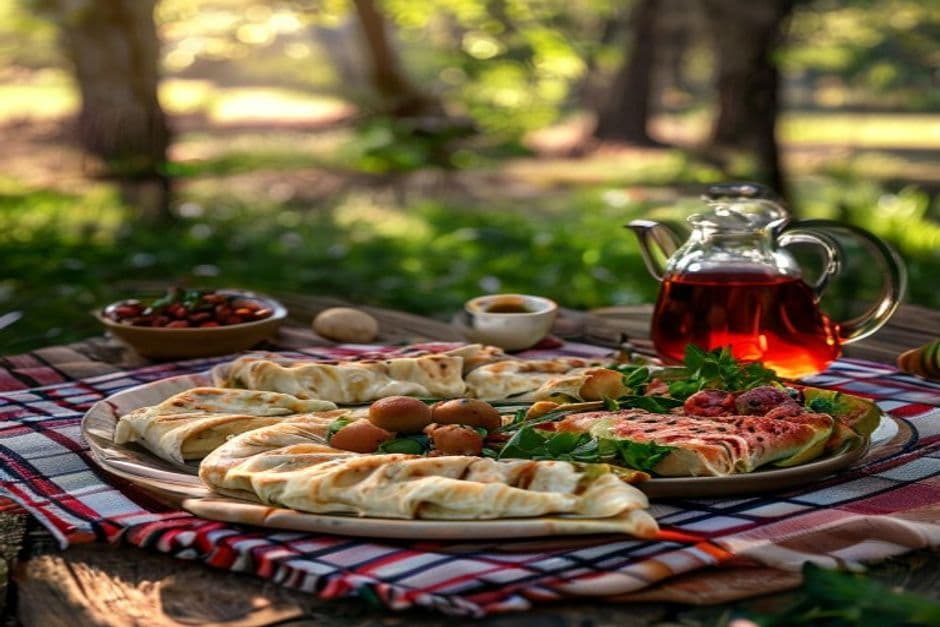
Turkish Picnic Essentials: Shopping List & Tips
Plan the perfect Turkish-style picnic in the UK with our complete shopping list, from simit and sliced sucuk to olives, ayran and stuffed vine leaves.
 Guides
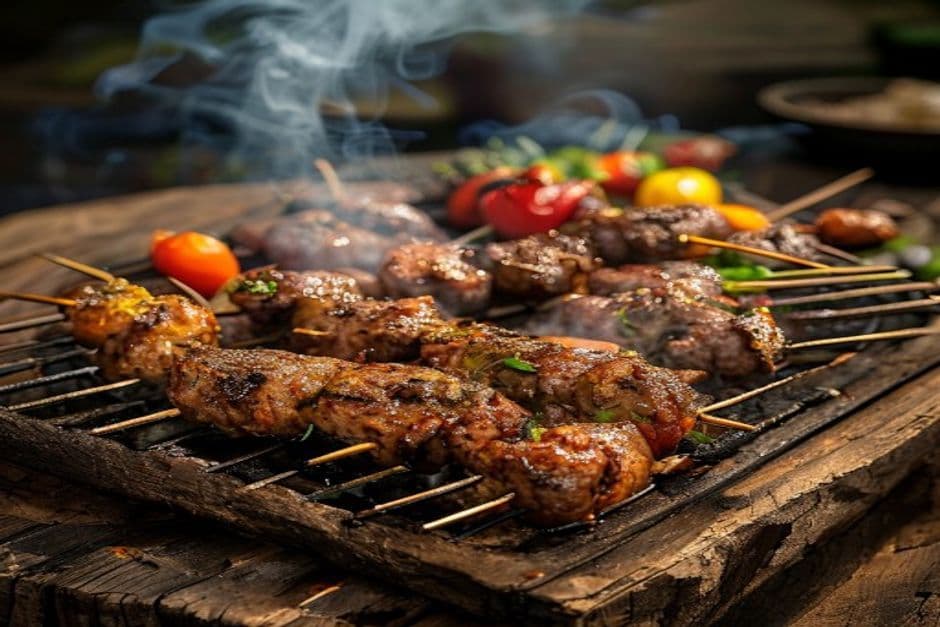
Turkish Mangal: The Ultimate BBQ Guide
Everything you need for an authentic Turkish mangal in the UK: real charcoal, the right skewers, marinades with pepper paste, and the sides that make it a feast.