
Caykur Guide: Rize Tea Varieties Explained
From everyday Rize Turist to premium Altinbas and organic Hemsin, here is how to navigate Caykur's black tea range and brew it the proper Turkish way.
Ask Bio about this article
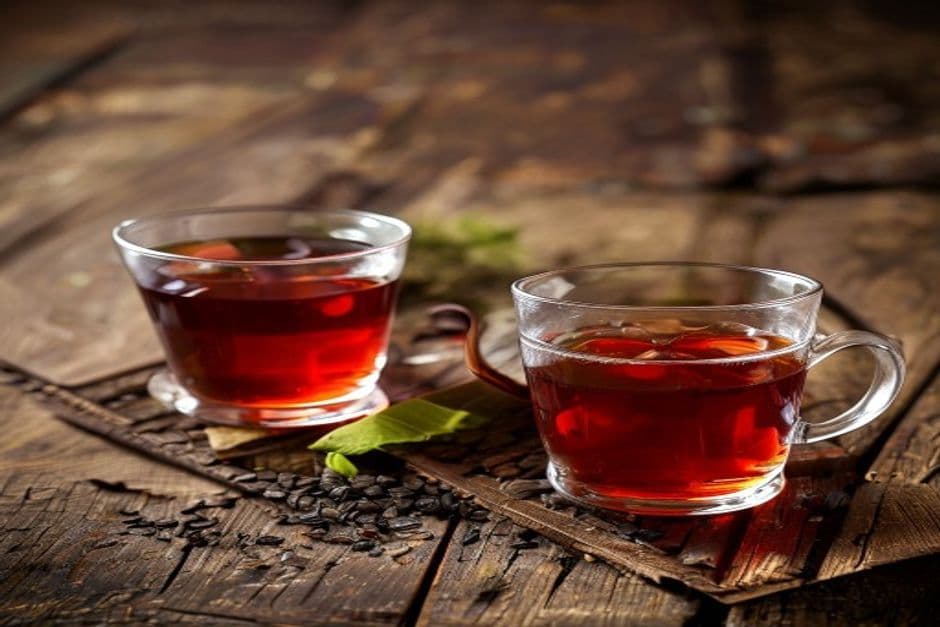
Turkey drinks more tea per person than anywhere else on earth, and almost all of it grows on the impossibly green hillsides of Rize, on the eastern Black Sea coast. Caykur, founded by the state in 1947 and still Turkey's largest tea producer, processes the leaves picked by tens of thousands of smallholder families along that coast. What makes Rize tea special is the climate: heavy rainfall and cold winters mean the tea gardens need virtually no pesticides, and the leaves develop a bright, brisk, naturally sweet character that takes sugar and conversation equally well.
Rize Turist: The National Standard
If you have ever drunk tea in a Turkish home, a kebab shop or a roadside cay bahcesi, it was probably Rize tea. This is Caykur's benchmark everyday blend: robust, deep mahogany in the glass and reliable at any brew strength. At Turkish Online Market it comes in 500g and generous 1kg packs, and the kilo bag is easily the best value if your household gets through several glasses a day, which, once you own a caydanlik, it will.
Tiryaki, Kamelya and Tirebolu: Everyday Characters
Tiryaki literally means the addict, and the name is honest: it is a stronger, darker blend made for people who drink tea all day and want body that stands up to repeated topping-up from the pot. Kamelya, named after the camellia plant that tea belongs to, is a softer, rounder blend that suits drinkers who take their tea lighter, in 500g and 1kg sizes. Tirebolu, from the western edge of the tea belt near Giresun, offers a slightly different regional profile, a nice choice when you want to taste how much geography changes a leaf.
Altinbas and Tomurcuk: The Premium Shelf
Altinbas, meaning golden head, is Caykur's classic premium grade: a finer pluck with more tip, giving a smoother, more aromatic cup that needs less time in the pot. It comes in a 400g classic version and, for bergamot lovers, a bergamot-flavoured edition that is essentially Turkey's answer to Earl Grey. Speaking of which, the Tomurcuk Earl Grey line, in 125g and 200g packs, blends Rize leaf with bergamot for a fragrant glass that works beautifully in the afternoon. And the organic Hemsin tea, grown in the high Hemsin valleys under certified organic cultivation, is the pick for anyone who wants the cleanest possible cup.
Brewing the Proper Turkish Way
Turkish tea is brewed in a caydanlik, a two-tier teapot. Fill the lower kettle with water and put a generous three or four tablespoons of dry leaf in the small upper pot. When the water boils, pour some over the leaves, return the stacked pots to a low heat and let the tea steep gently for ten to fifteen minutes, never boiling the leaves directly. Serve in tulip-shaped glasses: pour the dark concentrate first, then dilute with hot water from the lower kettle to taste. Tavsan kani, rabbit's blood, is the poetic name for the perfect brick-red colour. If all that sounds like commitment, the 25-sachet teabag box gives you honest Rize flavour with kettle-and-mug convenience, ideal for the office.
Buying and Storing Caykur in the UK
Black tea keeps well but hates air, light and damp, so decant opened packs into an airtight tin away from the hob. Loose leaf stays lively for about a year; buy the 1kg packs only if you drink it daily, otherwise the 400g and 500g sizes keep things fresher. Whichever you choose, from workhorse Rize to golden Altinbas, Turkish Online Market delivers the full Caykur range across the UK, so the double teapot never has to run dry.
More recipes
 Guides
Turkish Pantry Starter Kit: 20 Essentials
Building a Turkish kitchen from scratch in the UK? These 20 pantry essentials cover ninety percent of everyday Turkish home cooking.
 Guides
How to Store Turkish Foods: Cheese, Olives & More
Keep white cheese creamy, olives glossy and sucuk at its best. A practical storage guide for the Turkish staples in your UK kitchen.
 Guides
Turkish Picnic Essentials: Shopping List & Tips
Plan the perfect Turkish-style picnic in the UK with our complete shopping list, from simit and sliced sucuk to olives, ayran and stuffed vine leaves.
 Guides
Turkish Mangal: The Ultimate BBQ Guide
Everything you need for an authentic Turkish mangal in the UK: real charcoal, the right skewers, marinades with pepper paste, and the sides that make it a feast.