

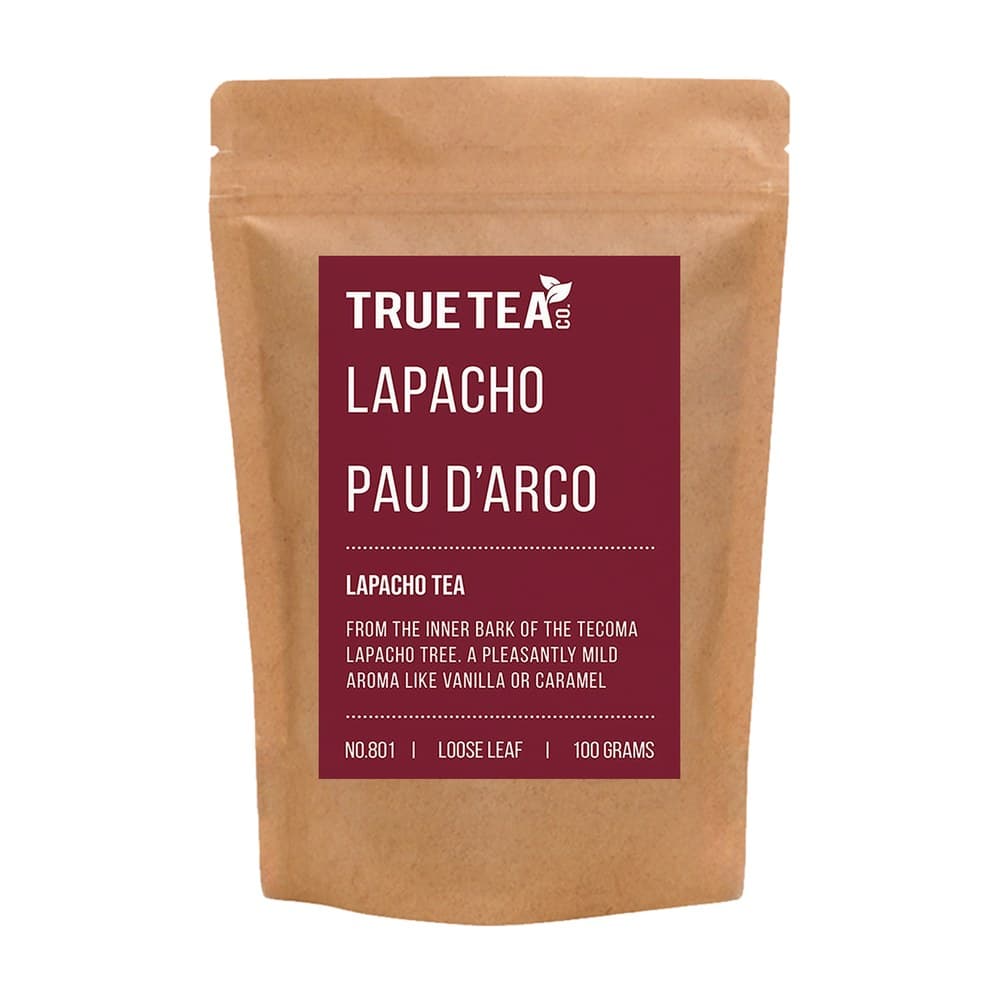
Natural Lapacho Pau D’Arco Tea (No.801)
Product Specifications
| Product Code | TTC-LT_Lapacho_LL802_1KG |
|---|---|
| Size | 1-kilo |
Ask Bio about this product
AI assistant · instant answers
A traditional herbal infusion made from Pau d’Arco bark, Lapacho offers a smooth, earthy brew with wellness roots in South American herbalism.
Get a reminder for regular delivery and save with code SUBSCRIBE10 at checkout. Pause or cancel anytime.
Supplied and dispatched by True Tea Company View store →
Description
Earthy, smooth, and steeped in tradition—our Natural Lapacho is a caffeine-free herbal tea made from the inner bark of the Pau d’Arco tree, native to South America.
This lapacho bark tea has been used for generations in herbal traditions, offering a unique taste and wellness support. Naturally mellow with woody undertones, it’s a grounding, feel-good infusion to enjoy throughout the day.
Whether you’re exploring traditional herbs or want an alternative to conventional herbal teas, this natural lapacho offers a satisfying and earthy brew.
Origin: The Pau d’Arco Tree
Lapacho comes from the inner bark of the Tabebuia tree—commonly known as Pau d’Arco.
These tall, flowering trees grow naturally in the rainforests and highlands of Central and South America, particularly in Brazil, Argentina, and Paraguay.
Indigenous cultures in these regions have used Pau d’Arco for centuries to brew medicinal infusions from its inner bark.
Today, it’s enjoyed globally for its earthy flavour and traditional health-supporting properties.
Taste Profile
Lapacho bark tea is smooth, slightly woody, and naturally mild with subtle vanilla-like undertones.
It brews into a warm amber cup that’s pleasantly earthy—similar in depth to rooibos but less sweet. Ideal for those who enjoy grounding herbal teas without strong bitterness or acidity.
If you like this herbal infusion, you might also enjoy Brazil Yerba Mate, Organic Green Rooibos or Relaxation Rooibos.
Brewing Guide
To enjoy a balanced cup of natural lapacho, follow these simple steps:
- Tea Quantity: 1 heaped tsp (approx. 2–3g) per 200ml water
- Water Temperature: 100°C (boiling)
- Steeping Time: 5–10 minutes, or simmer gently for a deeper extraction
- Serving Suggestions: Best enjoyed plain or with a slice of lemon
Benefits of Pau d’Arco Tea
Lapacho, or Pau d’Arco, has long been valued in South American herbalism.
Traditionally, it’s used to support immune function and help maintain overall wellbeing. The bark contains compounds like quinones, which are believed to offer antioxidant and antifungal properties.
While research is ongoing, many drinkers enjoy lapacho bark tea for its balancing, detox-supporting qualities. It’s also naturally caffeine-free, making it a grounding choice for evening relaxation or daily wellness routines.
Frequently Asked Questions
1. Where does Lapacho tea come from?
Lapacho tea is made from the inner bark of the Pau d’Arco tree, which grows across Central and South America. It has deep roots in traditional Amazonian and Andean herbal practices.
2. What are the benefits of drinking Lapacho?
Lapacho bark tea is enjoyed for its traditional wellness benefits, especially immune and antioxidant support. It’s also a naturally caffeine-free alternative to green or black teas.
3. Is Lapacho tea caffeine-free?
Yes, natural lapacho contains no caffeine. It’s ideal for those seeking a calming, herbal tea without stimulation—suitable any time of day.
Questions & answers
Ask Bio — questions answered by our team are published here.
No published questions yet. Ask Bio — once our team answers, it appears here.
Similar Options
Other choices in this category
Complete Your Basket
Goes well with this product
Customers also bought
Based on real order data