

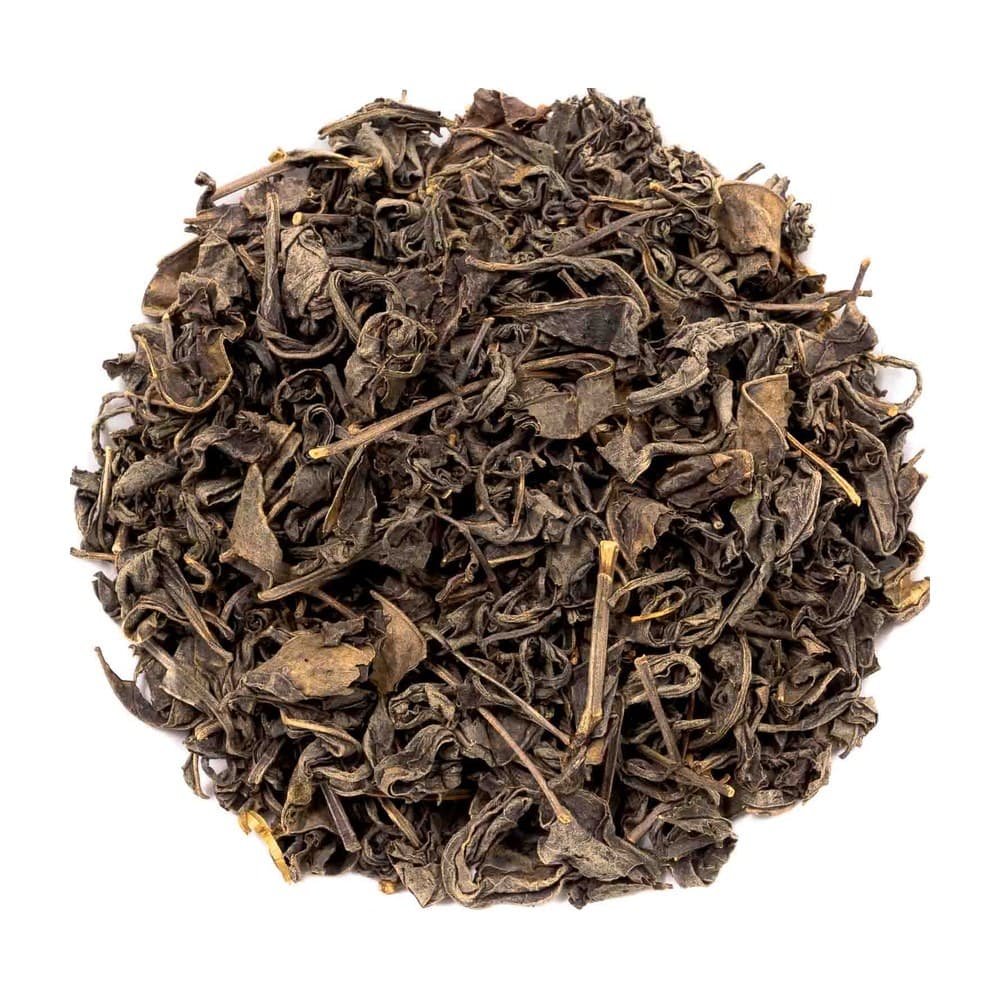
Gokase Koshun Wakocha
Product Specifications
| Product Code | CUR-J02.6 |
|---|---|
| Size | 50g |
Ask Bio about this product
AI assistant · instant answers
Gokase Koshun Wakocha is a smooth black tea from the Miyazaki Sabou tea garden, crafted from the highly aromatic Kōshun cultivar. It produces a fruity profile with minimal tannins. The sweet yet savoury taste has tart notes of red stone fruits with a mineral mouthwatering finish.
Get a reminder for regular delivery and save with code SUBSCRIBE10 at checkout. Pause or cancel anytime.
Supplied and dispatched by Curious Tea View store →
Description
Gokase Koshun Wakocha (香駿和紅茶) is a smooth and aromatic black tea from the Miyazaki Sabou tea garden in Gokase, Miyazaki Prefecture, Japan. This wakocha is crafted from the Kōshun tea cultivar plants that are grown at a fully organic-certified tea garden. The careful processing produces a fruity profile with minimal tannins and a sweet yet savoury taste. This batch is from the First Flush Spring 2026 harvest, sourced directly by us from Miyazaki Sabou.
The Miyazaki Sabou tea garden, operated by the Miyazaki family, began cultivating tea in Gokase, Miyazaki Prefecture in the early Showa era (1930s). The cool climate, high-quality soil and abundant rainfall all make Gokase an ideal area for growing tea. In addition, the hilly environment of around 600m means there is ample mist to cover the tea plants, and a natural underground spring provides clean and fresh water. They specialise in a variety of single-cultivar teas which are processed into pan-fried green tea or kamairicha, oolong tea, and black tea. The production is overseen by Yoko Yokoyama, who also enjoys experimenting with different tea cultivars and production techniques. We were particularly thrilled to try her experimental white tea and pressed sheng pu-erh style teas!
Miyazaki Sabou went fully pesticide-free in 1983, a time when pesticide-free farming was largely unheard of in Japan. This means the tea leaves are much more susceptible to damage from insects and disease, and weeds grow much more vigorously, making farming much more labour-intensive. Despite this, Miyazaki Sabou were committed to producing tea without the use of pesticides and received the JAS Organic certification in 2001. The following year, they won the Emperor’s Cup at the Ministry of Agriculture, Forestry, and Fisheries Festival – the highest award given for outstanding achievements in the field of agriculture. Miyazaki Sabou uphold tradition with their tea-making, whilst ensuring their farming practices are environmentally conscious and land-friendly, to preserve the land for future generations. Their dedication to producing tea in a sustainable manner has led to other tea farmers entrusting them with their tea fields, bringing their total to around 150 different tea fields from which they produce more than 20 varieties of tea.
This Gokase Koshun Wakocha is made from the leaves of Kōshun (香駿) cultivar plants. This cultivar is still quite rare and is largely used to make green tea, known for a pronounced floral aroma. However, some farmers are starting to experiment with producing both pan-fried green tea and some more unusual black teas with a unique Japanese character that cannot be found anywhere else. We do find that the floral character of this cultivar translates particularly well when made into a light and smooth black tea.
The leaves of this Gokase Koshun Wakocha are rather neat and have a dark colour with a lighter brown tinge on the dry leaves that is typical of some wakocha production. It produces a bright liquor with great clarity and a sweet aroma. It delivers a clean and smooth taste that is very gentle and easy-going. The fruity liquor has a fine interplay between sweet and savoury flavours. There are also notes of tart red stone fruits that further elevate the fruity perception of this tea. The aftertaste is lasting, with a mineral mouthwatering finish.
It is best brewed at 90°C for 3 minutes, with multiple infusions. This tea works well with the gongfu brewing method. Use 5g per 100ml at 93-95°C, starting with short infusions (15-20 seconds) and gradually increasing.
You may also be interested in other teas from the Miyazaki family.
Questions & answers
Ask Bio — questions answered by our team are published here.
No published questions yet. Ask Bio — once our team answers, it appears here.
Similar Options
Other choices in this category
Complete Your Basket
Goes well with this product
Customers also bought
Based on real order data