

Bestseller
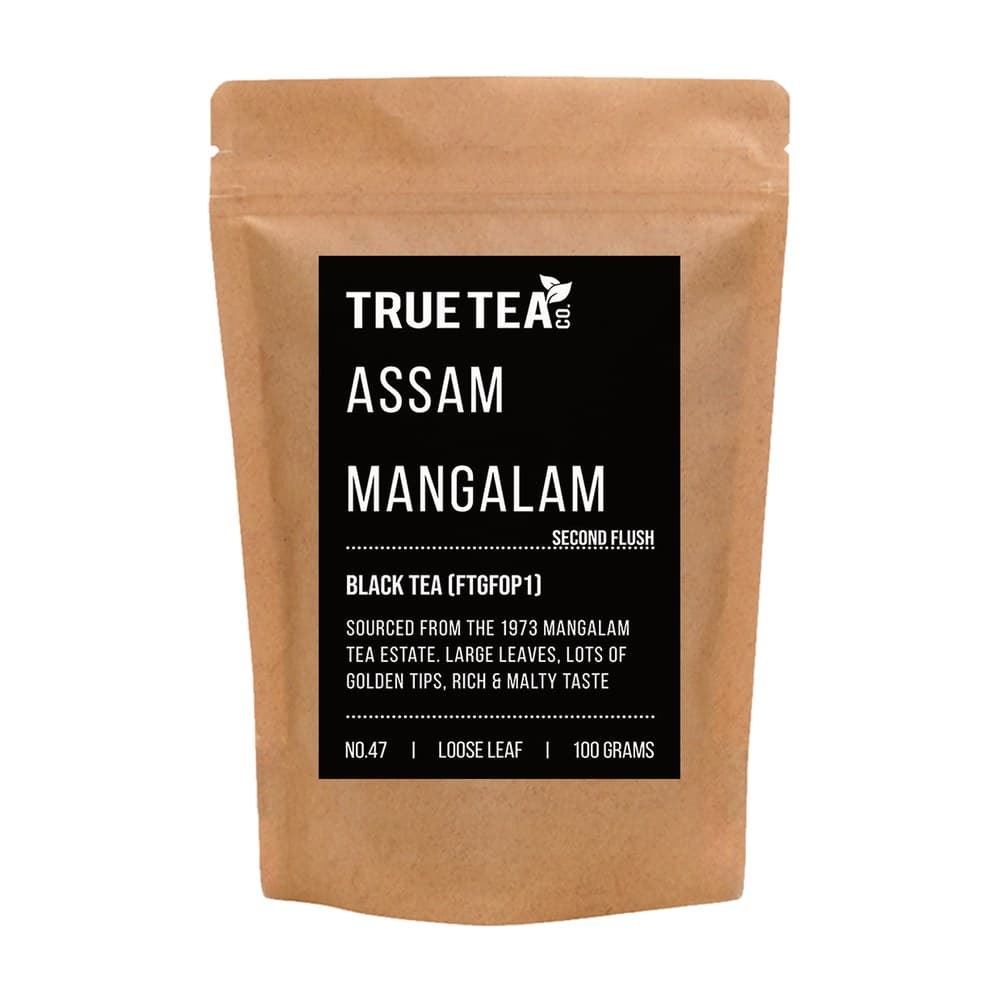
Assam Mangalam FTGFOP1 Second Flush Black Tea (No.47)
Product Specifications
| Product Code | TTC-BT_Assam_Mangalam_LL47_1KG |
|---|---|
| Size | 1-kilo |
In stock
£117.79
Ask Bio about this product
AI assistant · instant answers
sourced from the 1973 mangalam tea estate. large leaves, lots of golden tips, rich & malty taste
1
Subscribe & save 10%
Get a reminder for regular delivery and save with code SUBSCRIBE10 at checkout. Pause or cancel anytime.
Supplied and dispatched by True Tea Company View store →
Allergen information: Full label details for this product are still being verified. If you have a food allergy or intolerance, please check the pack label on delivery or contact us before ordering, and we will confirm with the supplier.
Description
Assam Mangalam FTGFOP1 has been sourced from the Mangalam Tea Estate and has large leaves which consist of lots of golden tips. Our Assam Mangalam has been graded FTGFOP1 (Fine Tippy Golden Flowery Orange Pekoe, Grade 1). In terms of flavour, you can expect a deliciously malty and a rich, spicy flavour. Assam Mangalam produces a dark, amber coloured cup.
Mangalam Tea Estate Description
Assam Mangalam Tea Estate cultivates densely planted Assamica hybrid tea bushes which were carefully cloned from the Manjushree Plantation in 1973. The close spacing of tea bushes results in high yielding tea bushes and enhances tip production. A relatively new plantation in comparison to other tea plantations (which can be hundreds of years old) – The Mangalam Tea Estate consists of Assam CTC and Orthodox Teas. Did you know? The Mangalam Tea Estate has Ethical Tea Partnership certification.
Discover Assam Tea
Assam tea comes from the Camellia Sinensis var. Assamica tea plant and is produced in the region of Assam, India. The tea plantations of Assam were introduced by the British during the colonial period. Assam tea is cultivated at or near sea level as it lies along the Brahmaputra river which stretches from the Himalayas through to the Bay of Bengal. The soil in the region of Assam is rich and fertile and benefits from a hot monsoon season. Assam tea is more oxidised than green or white teas; which results in Assam’s classic, dark leaf appearance. The growing conditions combined with the oxidisation process results in Assam’s full-bodied, malty flavour as well as its strong and brisk taste.
Learn more about Assam Tea in our tea blog
Questions & answers
Ask Bio — questions answered by our team are published here.
No published questions yet. Ask Bio — once our team answers, it appears here.
Complete Your Basket
Goes well with this product
−20%
−12%
−12%
−12%
−12%
−17%
−15%
−17%