

Bestseller
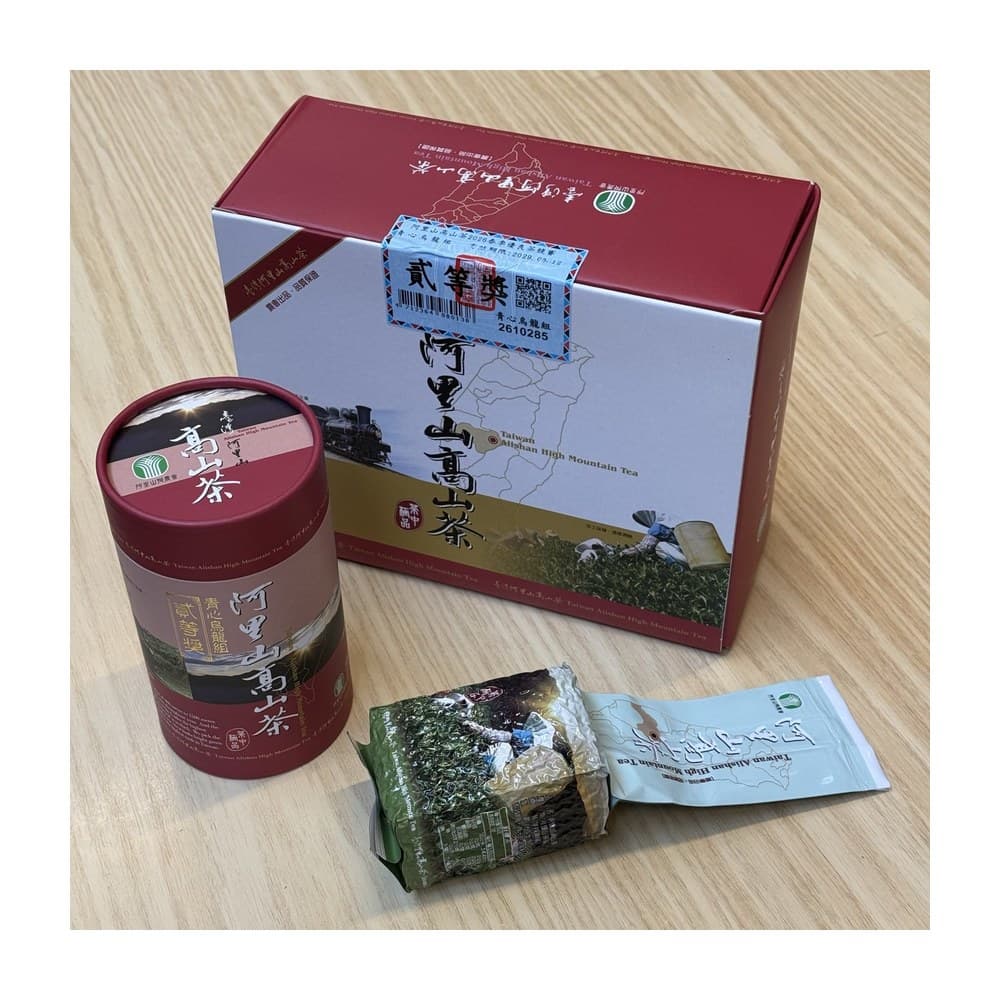
Alishan Competition Qing Xin Oolong (Second Prize 2026)
Product Specifications
| Product Code | CUR-E15.4-300 |
|---|---|
| Size | Sealed box 300g |
In stock
£158.29
Amount: Sealed box 300g
Ask Bio about this product
AI assistant · instant answers
Alishan Competition Second Prize Qing Xin Oolong is a fabulous high mountain oolong that was awarded ‘Second Prize’ at the Alishan Farmers’ Association competition. It produces an aromatic liquor with floral and buttery notes, a creamy mouthfeel and a lasting lightly baked finish. We supply this tea
1
Subscribe & save 10%
Get a reminder for regular delivery and save with code SUBSCRIBE10 at checkout. Pause or cancel anytime.
Supplied and dispatched by Curious Tea View store →
Allergen information: Full label details for this product are still being verified. If you have a food allergy or intolerance, please check the pack label on delivery or contact us before ordering, and we will confirm with the supplier.
Description
Alishan Second Prize Competition Qing Xin Oolong (阿里山青心烏龍) (lot 2610285) is a top grade oolong from the famous Alishan tea growing area of Taiwan. Made from the Qing Xin (青心), or Green Heart cultivar, it has a smooth profile that is both floral and creamy. As stipulated in competition rules, this oolong undergoes very light baking that brings out complexities of the tea without overshadowing the floral aspect of the Qing Xin cultivar. This particular tea is from the spring 2026 crops and was entered into a competition held by the Alishan Farmers’ Association in the summer of 2026. It was awarded a ‘Second Prize’ (貳等獎) Er Deng Jiang status (top 5-14%), which is two grades higher than our standard ‘Fine Grade’ offering.
This is just one of the Taiwanese Competition Grade Oolong teas that we currently have available in our shop.
We were able to acquire a small amount of this 2026 Alishan Competition ‘Second Prize’ Qing Xin Oolong with the help of a tea master in Taiwan. Every year in Taiwan, local competitions are held to determine the best teas of that season. This particular tea took part in the Alishan Farmers’ Association competition in 2026 and achieved a Second Prize. There were around 350 entries and about 63% of the entries achieved a grade. The Second Prize sits in the top 5-14%, above the Fine Grade and Third Prize but below the First Prize teas. There were only 33 teas awarded this grade in 2026. The entries that were ranked higher were: Special Prize (1 tea), Champion Prize (3 teas) and First Prize (12 teas).
Taiwan tea competitions work somewhat differently from many others. When a farmer submits a tea for competition, 22 jin of tea is submitted for judging, one jin being equal to 600 grams. From that, 1 jin is used specifically for judging and 1 jin is used for sampling. Upon presenting the awards, the remaining 20 jin, or 12 kilograms of tea, of all awarded teas are sealed with competition seals signifying the competition and the grade achieved. This labelling makes sure that there is no possible counterfeiting or reselling of inferior tea as ‘competition’ tea. The 12 kilograms of each graded tea is then auctioned off. The best grades of tea do resell for astronomical prices. In many cases the best graded teas are bought by very wealthy individuals or large corporates seeking free publicity from paying exorbitant sums of money for the top teas of the year.
This Second Prize Competition Qing Xin Oolong from Alishan has tightly rolled leaves that produce a yellow green liquor that is clear and very bright. The liquor has a light floral aroma with creamy and slightly baked notes that are representative of the light baking (roasting) that this tea undergoes. The smooth balanced profile is creamy, buttery and floral. The clean floral notes have a baked edge to them, making them most similar to the sweet scent of alpine meadow flowers. The complexity of this tea definitely exhibits layers of flavours, with sweet floral notes at the start, followed by middle notes that are creamier and more baked and finishing on freshly tart notes and a lingering floral aftertaste. Interestingly, we think that most of the floral notes tend to reside at the top of the palate and in the vapours of the tea while the flavours on the tongue provide a creamier base note.
It is best brewed at 90°C for 3 minutes according to your taste and should be brewed multiple times, increasing steeping time with each brew if desired.
For gongfu brewing, we suggest using 6-7g of leaf per 100ml in a porcelain gaiwan with water at 90-95°C. Start with an optional 5-second rinse, followed by a first infusion of 25 seconds, a second for 15 seconds, and a third for 20 seconds, adding 10-15 seconds to each subsequent steep. Water at 90°C highlights the underlying floral notes, while the higher temperature of 95°C brings out a hint of the gentle toasty flavour.
Questions & answers
Ask Bio — questions answered by our team are published here.
No published questions yet. Ask Bio — once our team answers, it appears here.
Complete Your Basket
Goes well with this product
Bestseller
Bestseller
Bestseller
Bestseller
Bestseller
Bestseller
−21%
−12%