

Bestseller
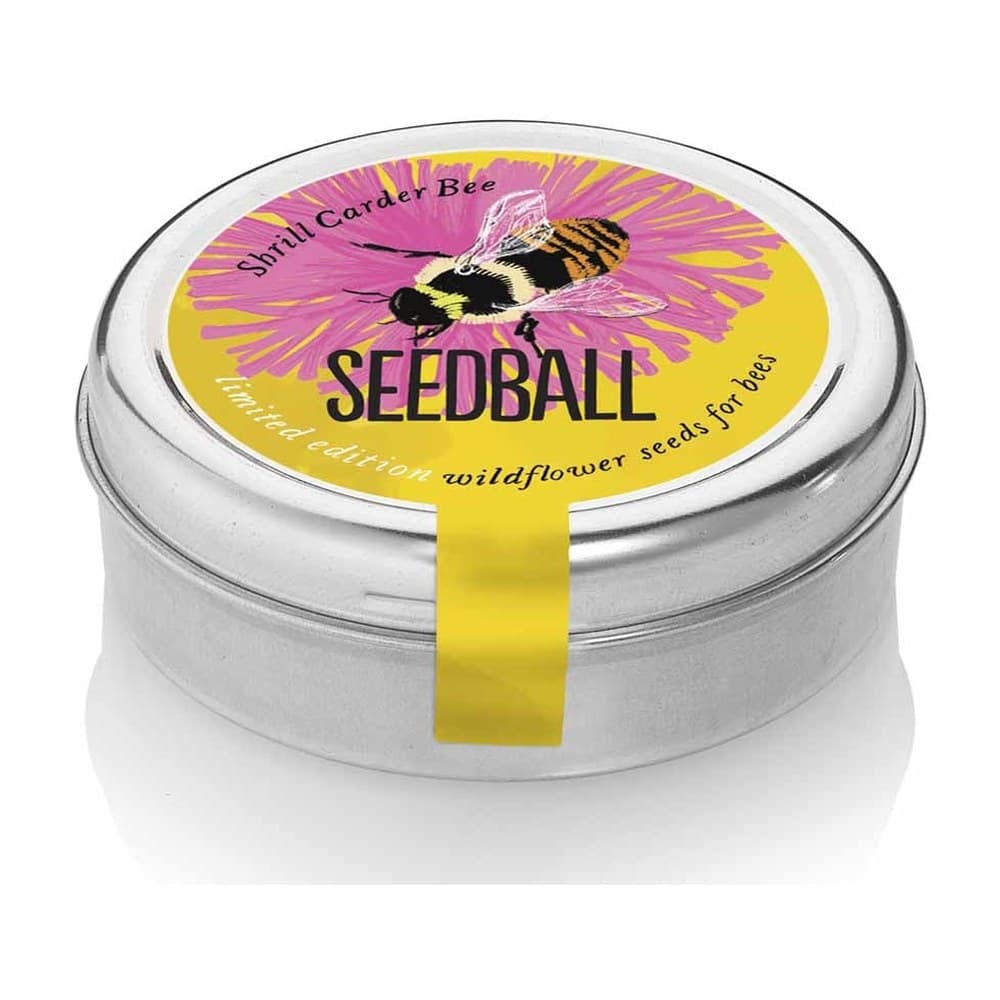
Shrill Carder Bumblebee Mix Seedball Tin
In stock
£8.29
Ask Bio about this product
AI assistant · instant answers
One of three new tins launched to celebrate the anniversary of the first Seedball tin in 2013. As Seedball’s mission is to help and inspire more people to grow wildflowers in their gardens for pollinators, we wanted to use our anniversary tins to help to raise awareness about three declining British
1
Subscribe & save 10%
Get a reminder for regular delivery and save with code SUBSCRIBE10 at checkout. Pause or cancel anytime.
Sold and dispatched by Peace With The Wild View store →
Allergen information: Full label details for this product are still being verified. If you have a food allergy or intolerance, please check the pack label on delivery or contact us before ordering, and we will confirm with the supplier.
Description
Shrill Carder Bumblebee Mix – Contains 20 Seedballs
The Shrill Carder Bee is one of the UK’s rarest bumblebees, and can only be spotted in a handful of locations in Southern Wales and Southern England. The mix includes 7 super bee friendly flowers: Common Knapweed, Great Burnet, Cowslip, Self Heal, Meadowsweet, Birdsfoot Trefoil and Buttercup.
One tin of seed bombs will cover 1 square metre in a garden bed or 3-5 medium sized pots (leave at least 10cm between each ball). Best scattered in Spring or Autumn.
Shrill Carder Bee Mix Contains:
Common Knapweed : The tightly packed, thistle-like purple flower heads of common knapweed bloom on all kinds of grasslands. Also regularly called ‘black knapweed, this plant attracts clouds of butterflies.
Great Burnet : A tall plant, Great burnet has oval, crimson flower heads that appear on long, green stalks, giving them the look of lollipops.
Cowslip : The origin of the name cowslip is unclear, but it may derive from the fact that it grows in meadows well manured by cow dung or cow slips.
Self Heal : The common name Selfheal, sometimes written as Self-heal, refers to the plant having been used as a treatment for wounds and bruises until recent times.
Meadowsweet : A tall grassland perennial with clusters of creamy white flowers.
Birdsfoot Trefoil : A perennial with clusters of yellow/orange pea like leaves.
Meadow Buttercup : The tallest and most elegant of our native buttercups, this plant sometimes reaches a height of 90cm. This native winter-green perennial is found on most grazed or cut grasslands throughout Britain, but has a preference for moist soils.
Packaging –
Plastic free steel tin.
Questions & answers
Ask Bio — questions answered by our team are published here.
No published questions yet. Ask Bio — once our team answers, it appears here.
Similar Options
Other choices in this category
Bestseller
Bestseller
Bestseller
Bestseller
Bestseller
Bestseller
Bestseller
Complete Your Basket
Goes well with this product
Bestseller
Bestseller
Bestseller
Bestseller
Bestseller
Bestseller
Bestseller
Bestseller
Bestseller
Customers also bought
Based on real order data
Bestseller
Bestseller
Bestseller
Bestseller
Bestseller
Bestseller
Bestseller
Bestseller