

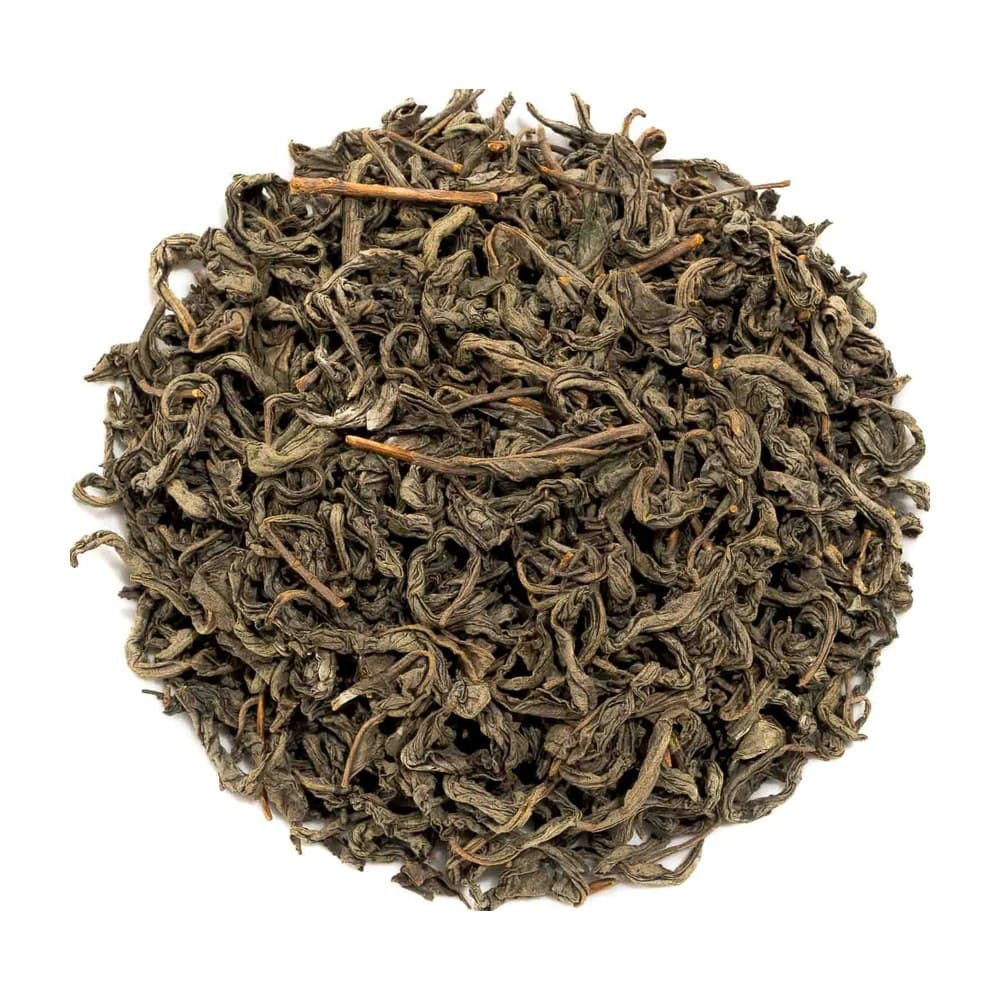
Gokase Takachiho Wakocha (2025)
Product Specifications
| Product Code | CUR-S05.1s |
|---|---|
| Size | 10g |
Ask Bio about this product
AI assistant · instant answers
Gokase Takachiho Wakocha is a light black tea from the Miyazaki Sabou tea garden, crafted from the local Takachiho cultivar. It produces a mild taste with a citrus flavour. The fruity and zesty taste has umami olive notes with a clean and sweet mouthwatering aftertaste.
Get a reminder for regular delivery and save with code SUBSCRIBE10 at checkout. Pause or cancel anytime.
Supplied and dispatched by Curious Tea View store →
Description
Gokase Takachiho Wakocha (高千穂和紅茶) is a light black tea from the Miyazaki Sabou tea garden in Gokase, Miyazaki Prefecture, Japan. It is crafted from the local Takachiho tea cultivar plants that are grown at a fully organic certified tea garden. The careful processing produces a zesty citrus profile with a mild taste featuring sweet and umami notes. This batch is from the first flush spring 2025 harvest, sourced directly by us from Miyazaki Sabou.
The Miyazaki Sabou tea garden, operated by the Miyazaki family, began cultivating tea in Gokase, Miyazaki Prefecture in the early Showa Era (1930s). The cool climate, high quality soil and abundant rainfall all make Gokase an ideal area for growing tea. In addition, the hilly environment of around 600m means there is ample mist to cover the tea plants, and a natural underground spring provides clean and fresh water. They specialise in a variety of single cultivar teas which are processed into pan-fired green tea or kamairicha, oolong tea, and black tea. The production is overseen by Yoko Yokoyama, who also enjoys experimenting with different tea cultivars and production techniques. We were particularly thrilled to try her experimental white tea and pressed sheng pu-erh style teas!
Miyazaki Sabou went fully pesticide free in 1983, a time when pesticide free farming was largely unheard of in Japan. This means the tea leaves are much more susceptible to damage from insects, disease, and weeds grow much more vigorously, making farming much more labour intensive. Despite this, Miyazaki Sabou were committed to producing tea without the use of pesticides and received the JAS Organic certification in 2001. The following year they won the Emperor’s Cup at the Ministry of Agriculture, Forestry, and Fisheries Festival; the highest award given for outstanding achievements in the field of agriculture. Miyazaki Sabou uphold tradition with their tea making, whilst ensuring their farming practices are environmentally conscious and land friendly, to preserve the land for future generations. Their dedication to producing tea in a sustainable manner has led to other tea farmers entrusting them with their tea fields, leading them to have around 150 different tea fields from which they produce more than 20 varieties of tea.
This Gokase Takachiho Wakocha is made from the leaves of the local Takachiho (高千穂) cultivar plants. The Takachiho tea cultivar was developed in the Miyazaki Prefecture and named after Takachiho town. It was registered in 1953 and was specifically aimed at kamairicha production. It is not widely popular, so it’s not very common to find teas made from this cultivar. However it provides good yield and shows good resistance to disease and cold weather, which is important for higher altitude and inland Kyushu regions. The disease resistance is of course also important for organic tea cultivation, making this an easier plant to grow in organic tea gardens. It features a thicker leaf in order to better preserve the leaf shape during kamairicha processing. When made into kamairicha, it produces a golden liquor with minimal astringency. It can also be used to made oolong and black tea with intriguing results.
The leaves of this Gokase Takachiho Wakocha have a neat wiry and twisted appearance. It produces a bright lightly coloured liquor with good clarity and a savoury aroma. It delivers a mild taste with pronounced zesty, fruity and citrus flavours. The sweet and savoury flavour has umami notes reminiscent of olives while there are also no tannins or astringency. Overall this reminds us of a classic light black tea with lemon. The aftertaste is clean and mouthwatering, leading to quite a refreshing sensation.
It is best brewed at 90°C for 3 minutes, with multiple infusions. This tea works well with gong fu brewing method. It is best brewed in a way similar to other Japanese black teas, so we encourage to experiment based on your favourite method of brewing those.
You may also be interested in other teas from the Miyazaki family.
Questions & answers
Ask Bio — questions answered by our team are published here.
No published questions yet. Ask Bio — once our team answers, it appears here.
Similar Options
Other choices in this category
Complete Your Basket
Goes well with this product
Customers also bought
Based on real order data