
How to Make Turkish Coffee
Thick, aromatic and crowned with that all-important foam — learn to brew proper Turkish coffee in a cezve, exactly the way it has been made for five centuries.
Ask Bio about this recipe
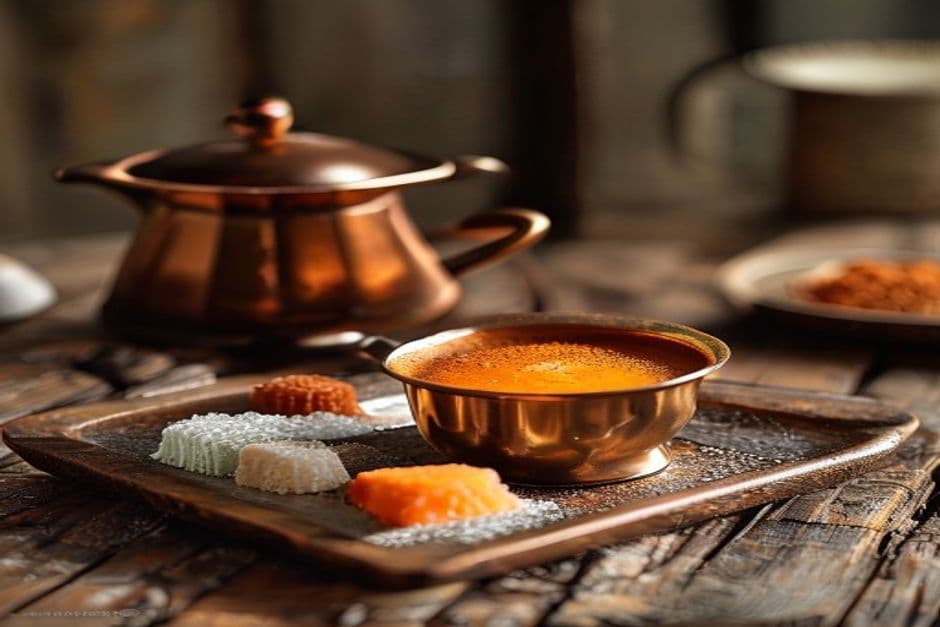
Ingredients
2 heaped teaspoons (about 14g) finely ground Turkish coffee
2 Turkish coffee cups (about 120ml total) cold water
2 tsp sugar for orta (medium sweet), or to taste — decide before brewing
1 small pinch of ground cardamom (optional, Ottoman style)
A cezve (small long-handled Turkish coffee pot)
Turkish coffee cups for serving
Turkish delight, to serve on the saucer
2 glasses of cold water, to serve alongside
Instructions
- 1
Measure the cold water into the cezve using the coffee cups you will serve in — one cup of water per person.
- 2
Add one heaped teaspoon of coffee per cup and the sugar if using, then stir well while the cezve is still off the heat; this is the only time you stir.
- 3
Place the cezve over the lowest possible heat and let it warm slowly — rushing kills the foam.
- 4
After 2-3 minutes a ring of dark foam will form; watch closely, because everything happens in the last thirty seconds.
- 5
Just as the foam begins to rise, lift the cezve off the heat and spoon a little foam into each cup.
- 6
Return the cezve to the heat for a few more seconds until the coffee rises again, then pour it slowly down the side of each cup so the foam stays intact.
- 7
Let the cups stand for a minute so the grounds settle to the bottom.
- 8
Serve with Turkish delight and a glass of cold water — and remind guests not to drink the last sip, which is all grounds.
Turkish coffee is not just a drink, it is a ritual recognised by UNESCO as part of the world's cultural heritage. A cup of it comes with conversation, a glass of cold water and, if you are lucky, someone offering to read your fortune in the grounds. The coffee itself is ground finer than espresso — almost like cocoa powder — and brewed slowly in a small long-handled pot called a cezve.
The single thing that separates a good cup from a great one is the foam (kopuk). The golden rules: always start with cold water, never stir once the coffee starts to warm up, and take the cezve off the heat the moment the foam rises — it must never come to a rolling boil. Sugar is decided before brewing, not after: sade (no sugar), az sekerli (a little), orta (medium, about one teaspoon per cup) or sekerli (sweet).
In a UK kitchen the smallest hob ring on its lowest setting works fine, though purists swear by brewing over hot sand. Measure the water with the cup you will drink from — a traditional Turkish coffee cup holds about 60ml — and you will never misjudge the strength. Kurukahveci Mehmet Efendi, the Istanbul roaster founded in 1871, remains the benchmark and you can order it from Turkish Online Market along with a proper cezve and cup set.
Serve with a piece of Turkish delight on the saucer and a glass of cold water on the side; a sip of water first clears the palate so the first taste of coffee lands properly.
More recipes
 Drinks
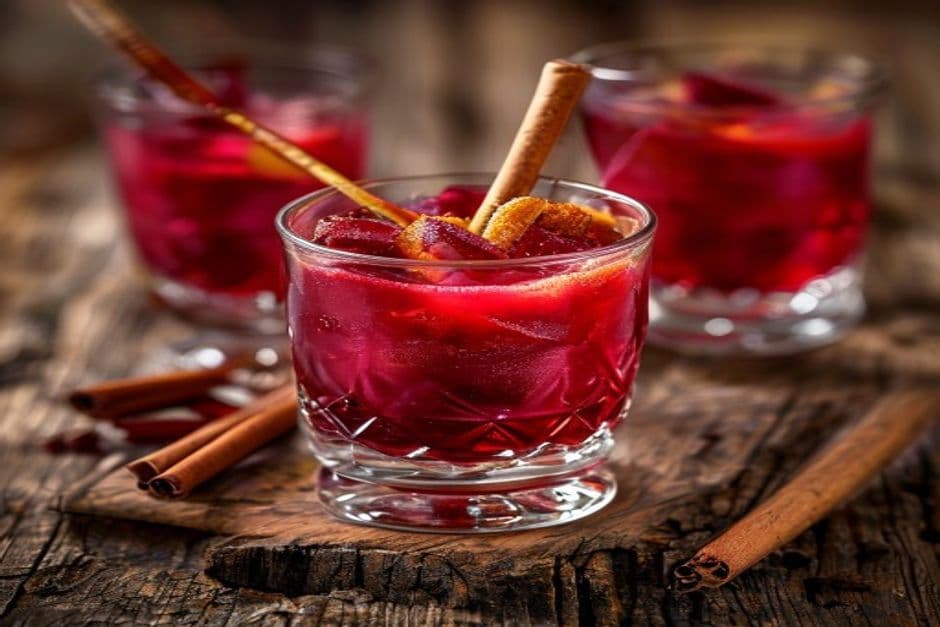
Ottoman Sherbet (Spiced Fruit Sherbet Drink)
A ruby-hued palace drink of dried apricots, raisins, honey and warm spices, served chilled over ice. This Ottoman sherbet is Ramadan's favourite refreshment, made easily in a UK kitchen.
 Drinks
Ihlamur Cayi (Linden Flower Tea)
Golden, honey-scented and deeply soothing, ihlamur is the herbal tea every Turkish family turns to at the first sign of a winter chill.
 Drinks
Ev Limonatasi (Homemade Turkish Lemonade)
Cloudy, ice-cold and intensely lemony, Turkish-style homemade lemonade is made by blitzing whole lemon zest with sugar — no bottled drink comes close.
 Drinks
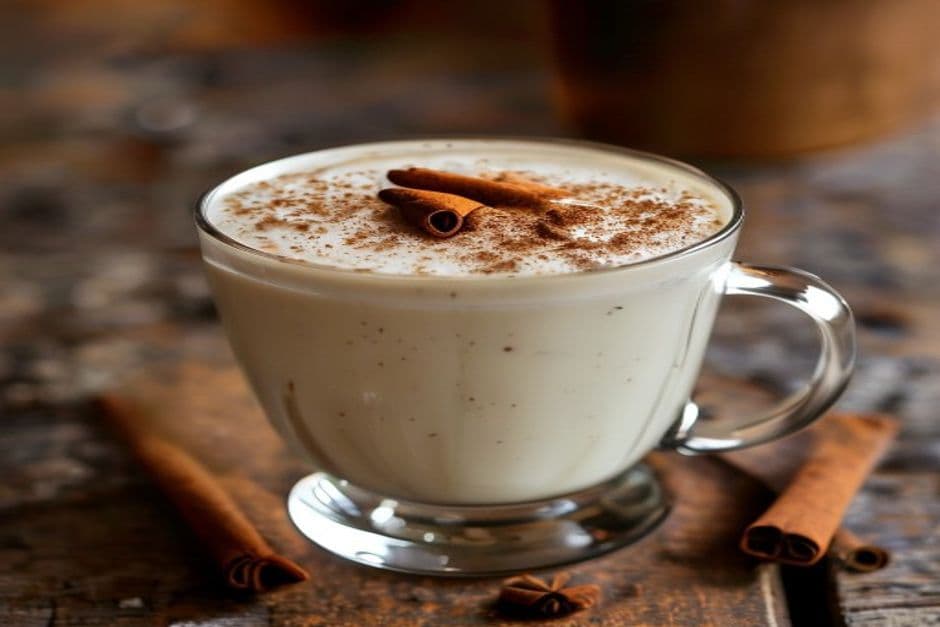
Salep (Warm Turkish Milk Drink)
Thick, silky and dusted with cinnamon, salep is Turkey's beloved winter warmer — hot milk gently thickened until it coats the back of a spoon.