
Barbunya Pilaki (Borlotti Beans in Olive Oil)
Creamy borlotti beans slowly simmered with carrot, potato and tomato in good olive oil, then served cool with lemon. A classic Turkish meze that tastes even better the next day.
Ask Bio about this recipe
Ingredients
400g dried borlotti (barbunya) beans, soaked overnight
120ml extra virgin olive oil
2 medium onions, finely diced
4 garlic cloves, sliced
1 large carrot, cut into small cubes
1 medium potato, cut into small cubes
1 heaped tbsp tomato paste
1 tsp sugar
1.5 tsp sea salt, plus more to taste
1 lemon, half juiced and half in wedges
Small bunch of flat-leaf parsley, chopped
Instructions
- 1
Drain the soaked beans, cover with fresh cold water in a pan and simmer for 35-40 minutes until just tender but not falling apart. Drain and set aside, keeping a mugful of the cooking water.
- 2
In a wide pan, warm the olive oil over medium heat. Cook the onions with a pinch of salt for 8-10 minutes until soft and sweet, then add the garlic for a final minute.
- 3
Stir in the tomato paste and cook for 2 minutes until it darkens slightly, then add the carrot and potato cubes and coat them in the oil.
- 4
Add the drained beans, the sugar, the salt and enough bean cooking water (topped up with hot water if needed) to barely cover everything.
- 5
Cover and simmer gently for 30-35 minutes until the vegetables are tender and the sauce has thickened to a silky, oil-flecked glaze. Do not stir too much or the beans will break.
- 6
Turn off the heat, squeeze in half the lemon and let the pilaki cool to room temperature in the pan. It will keep absorbing flavour as it rests.
- 7
Serve cool or at room temperature, showered with chopped parsley and with lemon wedges and fresh bread on the side.
Barbunya pilaki is one of the great zeytinyagli dishes of Turkish cooking: vegetables and pulses cooked gently in olive oil, then eaten at room temperature or lightly chilled. In Istanbul meyhanes it sits at the front of the meze counter all summer, glossy and pink-flecked, waiting for a squeeze of lemon and a piece of crusty bread.
The beans are the star, so buy proper Turkish barlotti (cranberry) beans and give them an overnight soak. They cook to a buttery softness that tinned beans rarely match, and they soak up the sweet tomato and olive oil base beautifully. Everything you need, from the dried beans to Turkish tomato paste and extra virgin olive oil, is available at Turkish Online Market with delivery across the UK.
Pilaki improves with rest. Make it a day ahead, keep it covered in the fridge, and bring it back towards room temperature before serving with plenty of chopped parsley and lemon wedges. It works as a meze, a light lunch with bread, or a side to grilled fish.
More recipes
 Meze & Salads
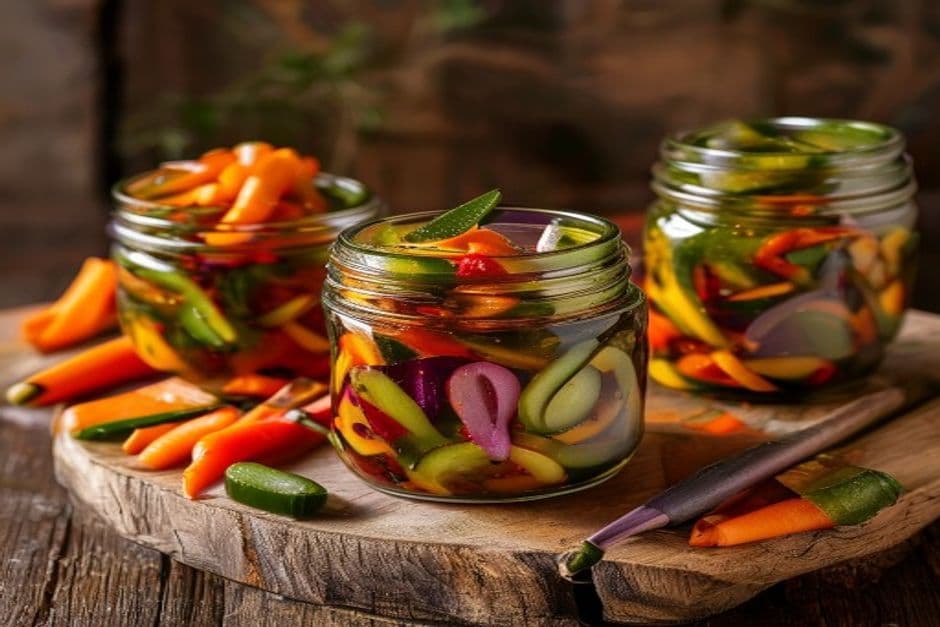
Homemade Turkish Pickles (Tursu)
Crunchy, garlicky Turkish tursu made the traditional way with grape vinegar, coarse brine salt and a handful of dried chickpeas. Ready to eat in three to four weeks.
 Meze & Salads
Kabak Mucveri (Turkish Courgette Fritters)
Crisp-edged courgette fritters packed with dill, spring onion and salty white cheese. The secret is squeezing the courgette bone dry before it hits the batter.
 Meze & Salads
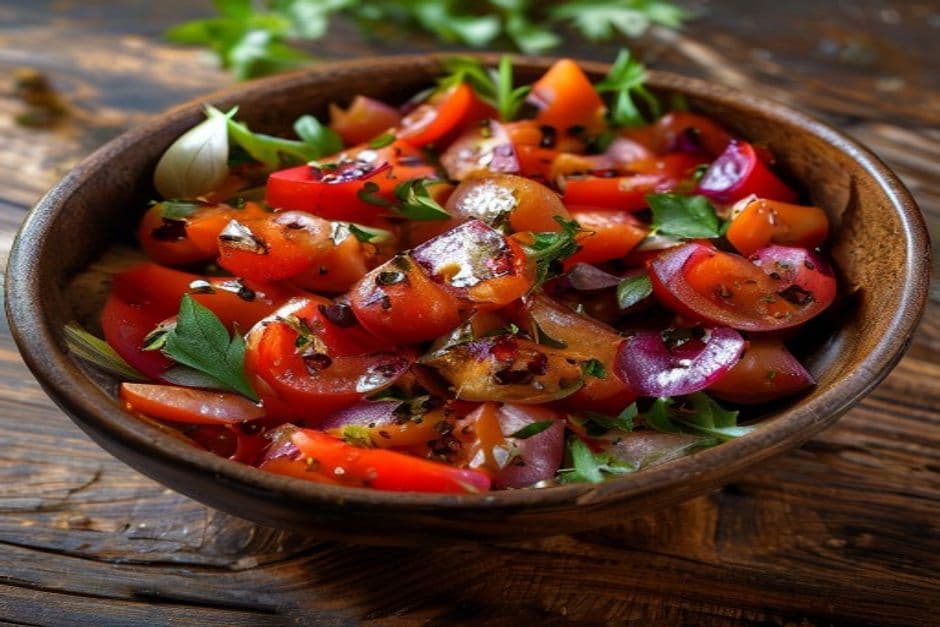
Gavurdagi Salad (Chopped Salad with Walnuts)
Gaziantep's famous knife-chopped salad: tomatoes, peppers, onion and parsley cut into tiny dice, tossed with crunchy walnuts, sumac and tangy pomegranate molasses. The essential partner to any kebab.
 Meze & Salads
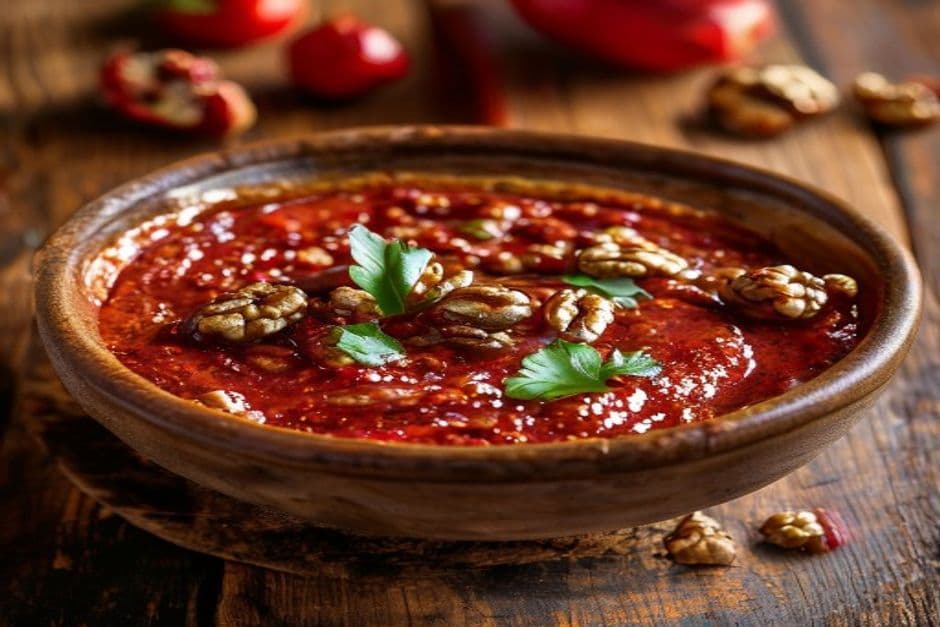
Muhammara (Walnut & Red Pepper Dip)
Smoky roasted red peppers, toasted walnuts and tangy pomegranate molasses come together in this addictive Antep-style meze that disappears faster than you can toast the bread.